
Tankless vs Traditional Water Heaters: Which Is Best for Central Oregon Homes?
SEO Title: Tankless vs Traditional Water Heaters in Central Oregon | Expert Comparison
SEO Description: Discover the pros and cons of tankless and traditional water heaters for Central Oregon homes. Learn energy efficiency, costs, lifespan, and expert recommendations from Einstein Pros.
When it comes to choosing a water heater for your Central Oregon home, you’re likely comparing tankless and traditional (tank-style) systems. This decision impacts your energy bills, comfort, long-term maintenance costs, and overall home efficiency. In this article, we’ll break down how each system works, the advantages and disadvantages of both, and how to decide which is right for your household—all with a focus on Central Oregon climate and needs.
For professional installation and guidance tailored to your home, consider Einstein Pros Central Oregon Plumbing, the trusted local experts in water heater services.
Understanding the Basics: Tank vs Tankless Water Heaters
Traditional Water Heaters
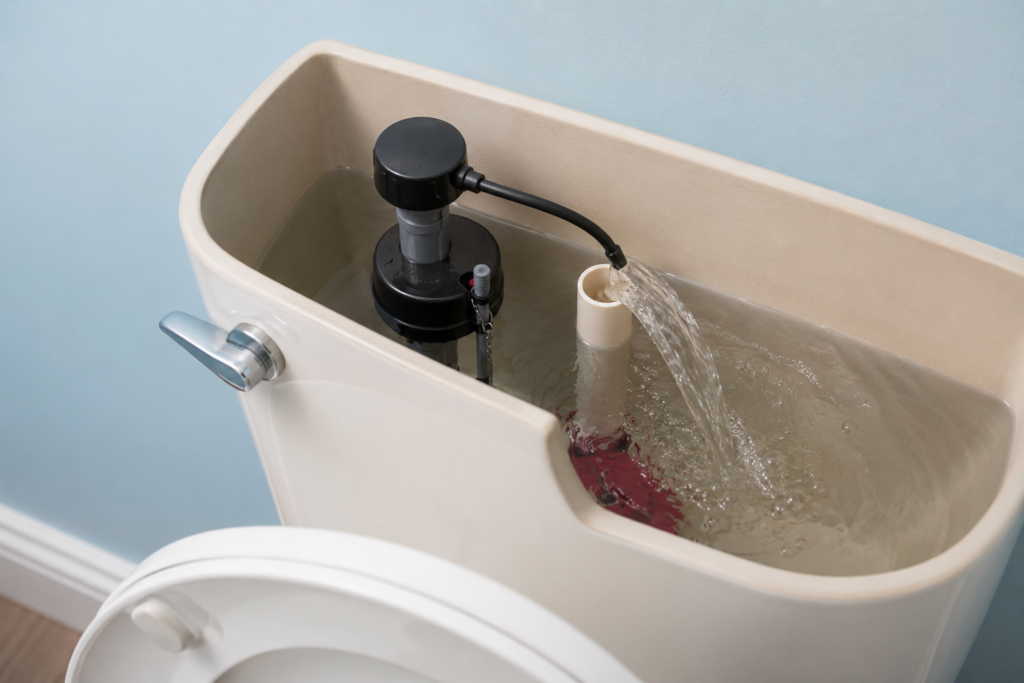
Traditional water heaters store hot water in an insulated tank (typically 30–80 gallons). These systems keep water heated at all times so it’s ready when you need it. When the hot water is used up, the tank refills and reheats the water.
Pros of Traditional Systems
- Lower initial cost: Traditional units are generally less expensive to purchase and install.
- Consistent hot water: You have stored hot water ready even with multiple simultaneous uses.
- Simpler installation: Many homes already have the infrastructure for tank units.
Cons of Traditional Systems
- Standby heat loss: Energy is wasted keeping water hot even when not in use, which can increase utility costs. (The Department of Energy’s Energy.gov)
- Limited supply: Once the stored hot water runs out, you must wait for the tank to reheat.
- Shorter average lifespan: Tank water heaters typically last 8–12 years.
Tankless Water Heaters
Tankless systems, also called demand-type heaters, heat water only when it’s needed. When you turn on a hot water tap, cold water travels through a heat exchanger and is heated instantly. (The Department of Energy’s Energy.gov)
Pros of Tankless Systems
- Energy efficiency: Tankless heaters can be 24%–34% more energy efficient than traditional units because they avoid standby heat loss. (The Department of Energy’s Energy.gov)
- Continuous hot water: You won’t run out of hot water during back-to-back showers or laundry cycles.
- Longer lifespan: Tankless models often last up to 20 years with proper maintenance.
- Space saving: Compact designs free up storage space in utility areas.
Cons of Tankless Systems
- Higher upfront cost: Tankless units and installation typically cost more initially.
- Flow limitations: Very high hot water demand (e.g., multiple simultaneous uses) may require multiple units. (The Department of Energy’s Energy.gov)
- Complex installation: Upgrades to gas lines or electrical systems may be necessary.
Comparing Key Factors for Central Oregon Homes
Energy Efficiency & Utility Costs
Tankless water heaters are generally more efficient because they heat water on demand rather than maintaining heat in a tank. For households with moderate hot water use, this can translate to lower utility bills over time. (The Department of Energy’s Energy.gov)
In Central Oregon, where winters can be cold and water entering the system is cooler, both systems must work harder to reach desired temperatures. Tankless units still maintain efficiency advantages but may see reduced flow rates due to colder inlet water temperatures. (The Department of Energy’s Energy.gov)
Lifespan & Long-Term Value
Tankless water heaters often outlast traditional models by several years, meaning fewer replacements over time. This longevity can offset higher upfront costs for many homeowners.
Hot Water Supply
If your household frequently uses large amounts of hot water—such as multiple showers, laundry, and dishwasher use at the same time—traditional tank heaters can provide a steady supply without concern for flow limits. However, modern tankless units with higher flow capacities are increasingly capable of meeting larger demands.
Installation Considerations
Whether you choose a tankless or traditional system, professional installation ensures safety, compliance with local codes, and optimal performance. In Central Oregon, this is especially important due to seasonal temperature fluctuations and specific building standards.
Einstein Pros Central Oregon Plumbing offers expert installation for both tank and tankless systems, ensuring your new water heater is properly sized and configured for your home. (Einstein Pros)
Which System Is Right for You?
Here’s a quick decision guide:
- Choose a tankless water heater if:
- You want higher energy efficiency and lower long-term costs.
- You prefer endless hot water and a compact unit.
- You plan to stay in your home long enough to benefit from lifespan advantages.
- Choose a traditional tank water heater if:
- You want lower upfront costs.
- Your hot water demand is consistently high.
- You prefer a simpler, proven system.
Conclusion
Both tankless and traditional water heaters have merits for Central Oregon homes. Tankless systems excel in energy efficiency, space savings, and longevity, while traditional tank heaters offer lower initial cost and reliable performance for high hot water demand.
For personalized recommendations, professional installation, and water heater services you can trust, contact Einstein Pros Central Oregon Plumbing. Their experienced technicians can assess your home and help you choose the best water heater solution.
Sources
- “Tankless or Demand-Type Water Heaters,” U.S. Department of Energy: https://www.energy.gov/energysaver/tankless-or-demand-type-water-heaters (The Department of Energy’s Energy.gov)