
A professional plumbing inspection is one of the most effective ways to protect a home from unexpected water damage, expensive repairs, and long-term system failures. In Central Oregon, where seasonal temperature shifts, mineral-heavy water in some areas, and aging home infrastructure can place added stress on plumbing systems, inspections are especially important.
Whether you are a new homeowner or maintaining a long-owned property, understanding what happens during a plumbing inspection helps you prepare and make informed decisions. A thorough inspection performed by a qualified provider such as Einstein Pros ensures your plumbing system is operating safely, efficiently, and in compliance with modern standards.
You can learn more about professional plumbing services here:
https://einsteinpros.com
Initial System Overview and Homeowner Consultation
A professional plumbing inspection typically begins with a conversation. The plumber will ask about any known issues such as slow drains, inconsistent water pressure, unusual noises, or recent spikes in your water bill.
This step helps identify areas that may require extra attention. It also gives homeowners the opportunity to point out specific concerns, such as leaks under sinks or issues with outdoor irrigation lines.
During this stage, the inspector may also review the age of your plumbing system, previous repairs, and the types of materials used in your home’s piping. Older homes may still contain outdated materials that require closer evaluation.
Visible Pipe and Fixture Inspection
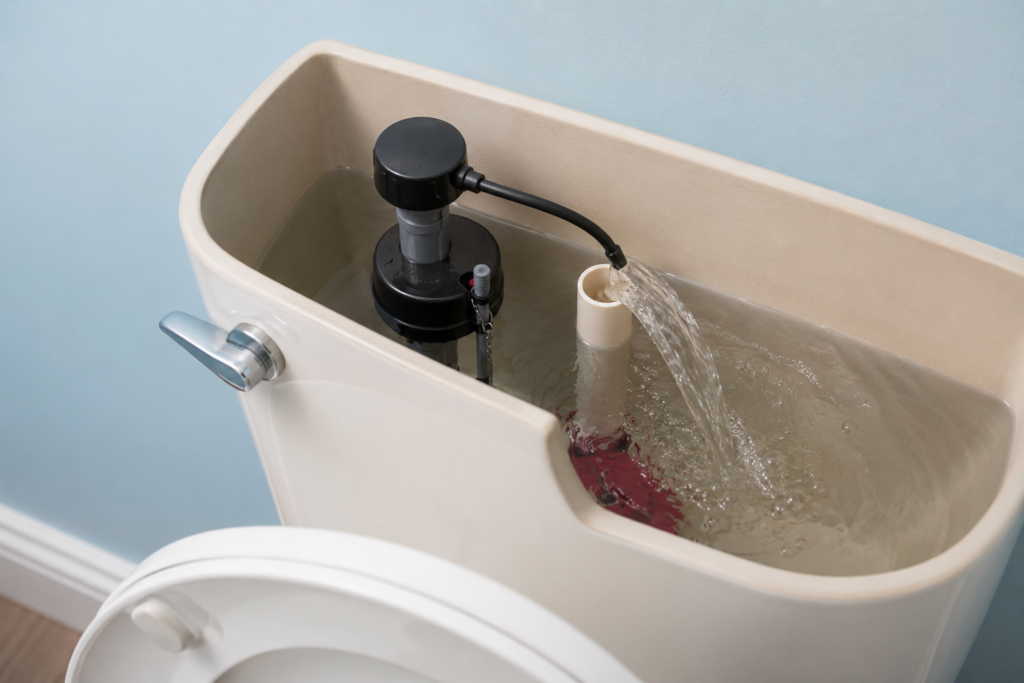
The next step involves a detailed visual inspection of all accessible plumbing components. This includes sinks, faucets, toilets, showers, bathtubs, exposed pipes, and shut-off valves.
The plumber checks for:
- Signs of corrosion or rust
- Moisture or water staining
- Dripping faucets or running toilets
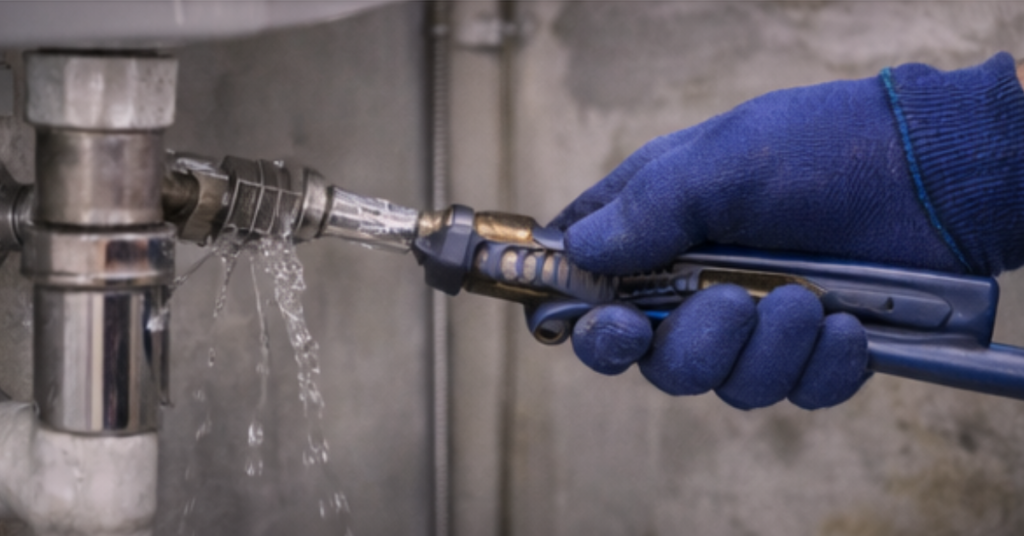
- Loose fittings or unstable connections
- Evidence of past or active leaks
Even small leaks can lead to significant water waste and structural damage over time. According to the U.S. Environmental Protection Agency, household leaks can waste nearly 1 trillion gallons of water annually in the United States, making early detection essential.
https://www.epa.gov/watersense/fix-leak-week
Water Pressure Testing
Water pressure is another critical component of a plumbing inspection. If pressure is too high, it can strain pipes, damage fixtures, and shorten the lifespan of appliances. If it is too low, it may indicate hidden blockages or supply issues.
A plumber will measure the water pressure using specialized gauges and compare it to recommended residential standards. If irregularities are found, adjustments or further investigation may be recommended.
Consistent pressure is not only important for comfort but also for protecting appliances such as dishwashers and water heaters.
By working with a trusted provider such as Einstein Pros, homeowners in Central Oregon can identify issues early, avoid costly repairs, and maintain long-term system reliability.
Drain and Sewer Line Evaluation
Drainage systems are carefully evaluated during an inspection to ensure water flows properly through the home’s plumbing network. The plumber will check sinks, tubs, and floor drains for signs of slow drainage or blockage.
In some cases, a camera inspection may be recommended for deeper sewer line evaluation. This allows the plumber to identify issues such as tree root intrusion, pipe collapse, or severe buildup inside the line.
The International Code Council emphasizes proper drainage system maintenance as part of ensuring safe and sanitary building conditions.
https://www.iccsafe.org/
Water Heater Inspection
Water heaters are a major focus during any professional plumbing inspection. The plumber will examine the unit for signs of wear, corrosion, leaks, or sediment buildup.
Key checks include:
- Temperature settings and performance
- Pressure relief valve condition
- Tank integrity (for traditional systems)
- Energy efficiency and operational safety
According to the U.S. Department of Energy, water heating accounts for a significant portion of household energy use, making efficiency and maintenance critical for long-term cost savings.
https://www.energy.gov/energysaver/water-heating
If issues are found, the plumber may recommend maintenance, repair, or replacement depending on the age and condition of the system.
Leak Detection and Hidden Problem Assessment
Not all plumbing problems are visible. A professional inspection often includes advanced leak detection methods to identify hidden issues behind walls, under flooring, or in ceilings.
Common warning signs include unexplained moisture, mold growth, or rising water bills. Detecting these issues early can prevent structural damage and costly restoration work.
Modern plumbing inspections often use non-invasive tools such as moisture meters and thermal imaging to locate hidden leaks without damaging property.
Final Report and Recommendations
After the inspection is complete, the plumber provides a detailed report outlining findings and recommendations. This may include minor repairs, preventative maintenance suggestions, or more significant plumbing upgrades.
Homeowners receive clear explanations of any issues discovered, along with priority levels so they understand what requires immediate attention versus long-term planning.
A trusted provider like Einstein Pros focuses on transparent communication so homeowners can make informed decisions about their plumbing systems without pressure or confusion.
Why Regular Plumbing Inspections Matter
Regular plumbing inspections help prevent emergencies before they happen. Small issues such as minor leaks or partially blocked drains often develop into larger, more expensive problems if left unchecked.
Routine inspections also help extend the lifespan of plumbing systems, improve water efficiency, and reduce utility costs. Most experts recommend scheduling an inspection annually or at least every two years, depending on the age of the home and plumbing system condition.
For homeowners in Central Oregon, where temperature fluctuations can place additional stress on pipes, preventive inspections are especially valuable.
Conclusion
A professional plumbing inspection is a proactive investment in your home’s safety and efficiency. From water pressure testing to leak detection and water heater evaluation, each step plays a role in ensuring your plumbing system is functioning properly.
By working with a trusted provider such as Einstein Pros, homeowners in Central Oregon can identify issues early, avoid costly repairs, and maintain long-term system reliability.
Sources and References
https://einsteinpros.com/central-oregon-plumbing
https://www.epa.gov/watersense/fix-leak-week
https://www.energy.gov/energysaver/water-heating
https://www.iccsafe.org/