
A small leak in your home may seem harmless at first—a slow drip under the sink, a faint stain on the ceiling, or a running toilet that only bothers you occasionally. However, what most homeowners don’t realize is that even minor plumbing leaks can quickly escalate into major structural damage, health hazards, and significant financial loss.
According to the U.S. Environmental Protection Agency (EPA), household leaks can waste nearly 1 trillion gallons of water annually in the United States alone, with the average home losing about 10,000 gallons of water every year from easily fixable leaks (EPA WaterSense).
For homeowners, especially in regions where water efficiency and home preservation matter, ignoring a small leak is rarely a minor issue—it’s a costly mistake waiting to happen.
If you’re experiencing signs of a leak, professional inspection and timely repair from Einstein Pros can help prevent escalating damage and unnecessary expenses. Learn more at https://einsteinpros.com.
Why Small Leaks Become Big Problems
Leaks rarely stay small. Water is persistent, and even a slow drip can gradually damage surrounding materials. Over time, moisture spreads into walls, floors, and structural components, creating hidden deterioration.
1. Structural Damage Adds Up Quickly
Wood framing, drywall, and insulation are especially vulnerable to moisture. When leaks go unnoticed, water can weaken structural integrity, leading to costly repairs that often involve tearing out walls or flooring.
What starts as a simple pipe seal issue can evolve into:
- Warped flooring
- Rotting wood studs
- Cracked drywall
- Ceiling collapse in severe cases
Once structural damage begins, repair costs multiply significantly.
2. Mold Growth Creates Health Risks
One of the most serious consequences of untreated leaks is mold growth. Mold thrives in damp, dark environments—exactly the conditions created by hidden leaks behind walls or under flooring.
The EPA warns that mold exposure can contribute to respiratory issues, allergic reactions, and other health complications, especially for children, the elderly, or those with asthma (EPA Mold Guidance).
Even a slow, unnoticed leak can create the moisture conditions needed for mold to spread in as little as 24–48 hours.
3. Rising Water Bills Over Time
A leak doesn’t just damage your home—it also drains your wallet.
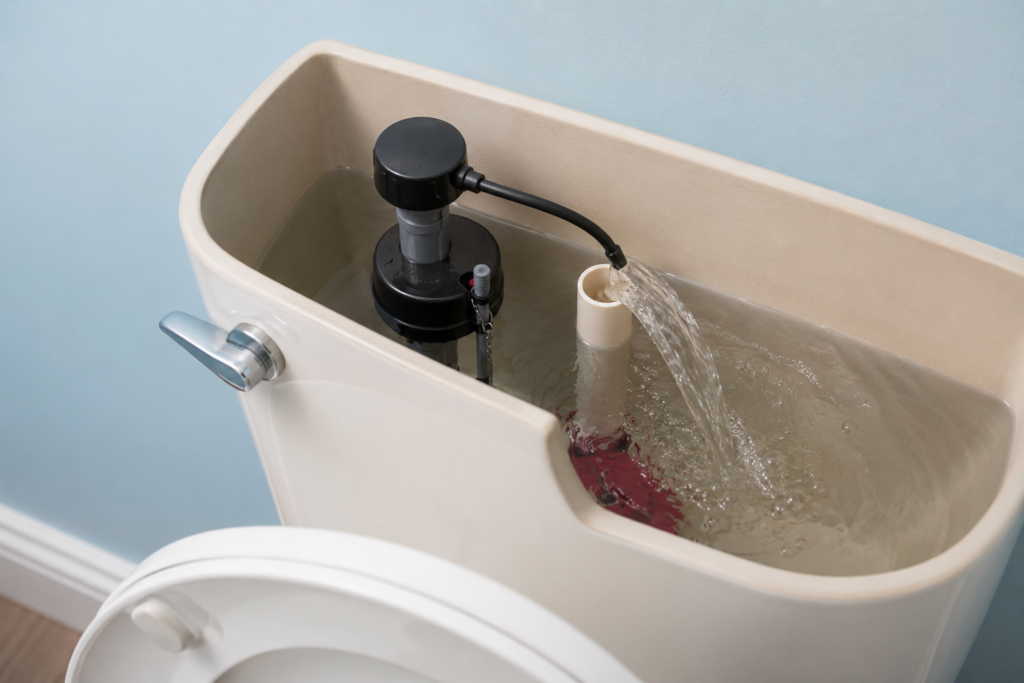
A faucet that drips once per second can waste more than 3,000 gallons of water per year. A running toilet can waste even more—sometimes hundreds of gallons per day without obvious signs.
The EPA notes that fixing household leaks can save homeowners about 10% on their water bills annually (EPA Water Use Facts).
Over time, what seems like a “small issue” becomes a continuous financial drain that compounds month after month.
4. Hidden Leaks Are the Most Expensive
Not all leaks are visible. Some of the most damaging leaks occur behind walls, under slab foundations, or within ceilings. These hidden leaks often go unnoticed until significant damage has already occurred.
Warning signs include:
- Unexplained increase in water bills
- Musty odors
- Paint bubbling or peeling
- Warm or damp flooring spots
- Sound of running water when fixtures are off
By the time these symptoms appear, the leak may have already been active for weeks or months.
The True Cost of Waiting
Delaying leak repairs almost always increases the final cost. A minor repair today might cost a fraction of what extensive restoration requires later.
For example:
- Small pipe seal repair: minimal cost
- Wall removal + mold remediation: significantly higher expense
- Flooring replacement + structural drying: even higher
The longer moisture remains in your home, the more extensive—and expensive—the repair process becomes.
Preventative attention is always more affordable than emergency restoration.
Why Early Detection Matters
Early detection is the key to minimizing damage. Homeowners who act quickly often avoid major repairs altogether.
Simple preventive steps include:
- Regular inspection under sinks and cabinets
- Monitoring water bills for sudden increases
- Checking toilets for silent leaks
- Inspecting ceilings and walls for discoloration
However, many leaks are not easily detectable without proper tools or experience. That’s why professional assessment is often necessary when warning signs appear.
Protecting Your Home with Expert Help
When it comes to protecting your home from long-term damage, timely action is essential. Small leaks should never be ignored, even if they seem insignificant at first.
If you suspect a leak or notice early warning signs, Einstein Pros can help assess the issue and prevent further damage before it escalates. Visit https://einsteinpros.com to learn more about protecting your home’s plumbing system.
Final Thoughts
Ignoring a small leak is one of the most expensive mistakes a homeowner can make. What begins as a minor drip can lead to structural damage, mold growth, higher utility bills, and costly repairs.
The good news is that early action dramatically reduces risk. By staying alert to warning signs and addressing leaks promptly, homeowners can protect both their property and their long-term finances.
Small leaks are never just small problems—they are early warnings.