
Spring in Central Oregon brings a mix of melting snow, fluctuating temperatures, and increased water usage as households transition out of winter. These seasonal changes can put stress on your plumbing system—especially pipes, water heaters, and outdoor water lines that may have been dormant or strained during colder months.
This guide provides a complete spring plumbing maintenance checklist designed to help homeowners prevent costly damage, improve efficiency, and extend the lifespan of their plumbing systems. It also includes expert-backed recommendations aligned with national water efficiency and home maintenance standards.
For homeowners who want professional help or a full seasonal inspection, you can learn more at Einstein Pros Central Oregon Plumbing:
https://einsteinpros.com/central-oregon-plumbing
1. Inspect for Winter Pipe Damage
Freezing temperatures can cause pipes to expand and contract, sometimes leading to small cracks or hidden leaks. As spring begins, one of the most important steps is a full visual inspection of exposed pipes.
Check areas such as:
- Under sinks
- Basements and crawl spaces
- Garages
- Outdoor hose bibs
Even a slow leak can waste thousands of gallons of water annually if left undetected. According to the U.S. Environmental Protection Agency, household leaks are a major source of water waste in the home, often going unnoticed for long periods.
Early detection is key to preventing structural damage and mold growth.
2. Test for Hidden Leaks in Your Plumbing System
Not all leaks are visible. Some occur behind walls, under floors, or in underground piping. A simple way to check for hidden leaks is to monitor your water meter:
- Turn off all water-using appliances
- Record your water meter reading
- Wait 1–2 hours without using water
- Recheck the meter for changes
If the reading increases, you may have a hidden leak that requires immediate attention.
The EPA WaterSense program emphasizes leak detection as one of the most effective ways to reduce household water waste and utility costs.
3. Flush and Inspect Your Water Heater
During winter, water heaters work harder due to colder incoming water temperatures. Sediment buildup inside the tank can reduce efficiency and shorten the system’s lifespan.
Spring is an ideal time to:
- Flush the tank to remove sediment buildup
- Check the temperature setting (recommended: 120°F)
- Inspect for rust or corrosion around connections
- Listen for unusual popping or rumbling sounds
Routine maintenance helps improve energy efficiency and extends equipment life, according to guidance from the U.S. Department of Energy.
If your system struggles to maintain consistent hot water, it may be time for a professional evaluation.
4. Clear and Clean All Drains
After months of heavy winter use, drains often accumulate soap residue, grease, and debris. Slow drains are an early warning sign of a larger blockage forming in your system.
Spring maintenance should include:
- Running hot water through all drains
- Cleaning sink strainers and traps
- Checking for slow drainage in showers and tubs
- Avoiding chemical drain cleaners that may damage pipes
Regular drain maintenance helps prevent clogs and reduces strain on your plumbing system.
5. Inspect Outdoor Plumbing and Hose Bibs
Outdoor plumbing systems are especially vulnerable after winter. Freezing temperatures may have caused damage to exterior faucets or irrigation lines.
Check for:
- Dripping outdoor faucets
- Cracked hose bibs
- Leaks in irrigation systems
- Proper water pressure when turning systems back on
Outdoor plumbing issues often go unnoticed until water bills increase or visible pooling appears in the yard.
6. Check Water Pressure Throughout the Home
Low or inconsistent water pressure can indicate several underlying issues, including sediment buildup, pipe damage, or valve problems.
To test:
- Turn on multiple faucets at once
- Observe pressure changes
- Check both hot and cold water lines
If pressure drops significantly, it may signal a deeper issue in the plumbing system that should be evaluated early before it worsens.
7. Examine Sump Pumps and Drainage Systems
Central Oregon homes that experience snowmelt runoff or seasonal groundwater changes should ensure sump pumps and drainage systems are functioning correctly.
Key checks include:
- Testing sump pump activation
- Clearing debris from drainage channels
- Ensuring discharge lines are not blocked
- Verifying backup power sources (if applicable)
Proper drainage prevents basement flooding and foundation damage during spring thaw.
8. Review Water Efficiency and Usage
Spring is also a great time to reassess household water usage. Small inefficiencies can lead to significantly higher utility bills over time.
Consider:
- Installing low-flow fixtures
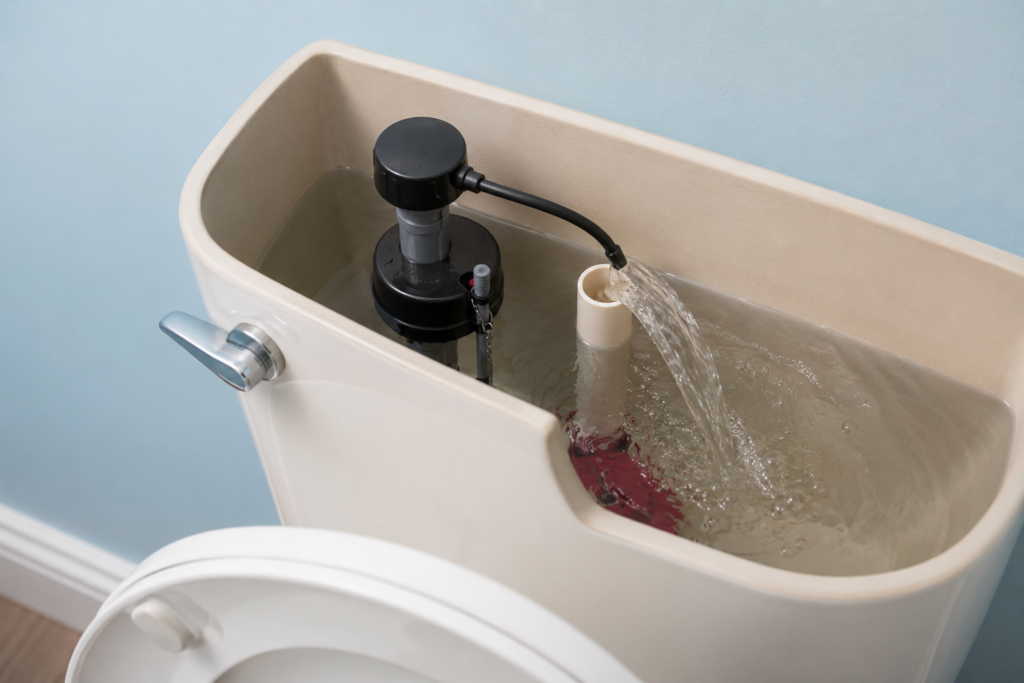
- Fixing running toilets
- Upgrading outdated appliances
- Monitoring monthly water consumption
The EPA WaterSense program highlights that water-efficient fixtures can reduce household water usage by 20% or more without sacrificing performance.
9. Schedule a Professional Plumbing Inspection
Even with thorough DIY maintenance, a professional inspection ensures that hidden issues are detected early. A trained plumbing technician can identify:
- Hidden pipe corrosion
- Sewer line concerns
- Pressure irregularities
- Water heater inefficiencies
- Early-stage leaks
This step is especially important for older homes or properties that experienced freezing temperatures during winter.
Homeowners in Central Oregon can schedule seasonal plumbing inspections through Einstein Pros Central Oregon Plumbing:
https://einsteinpros.com/central-oregon-plumbing
Final Thoughts
Spring plumbing maintenance is one of the most effective ways to protect your home from unexpected repairs and water damage. By following this checklist, Central Oregon homeowners can reduce long-term costs, improve system efficiency, and extend the life of essential plumbing components.
Preventive care is always more affordable than emergency repairs, and seasonal inspections ensure your home is ready for increased water use throughout the year.