

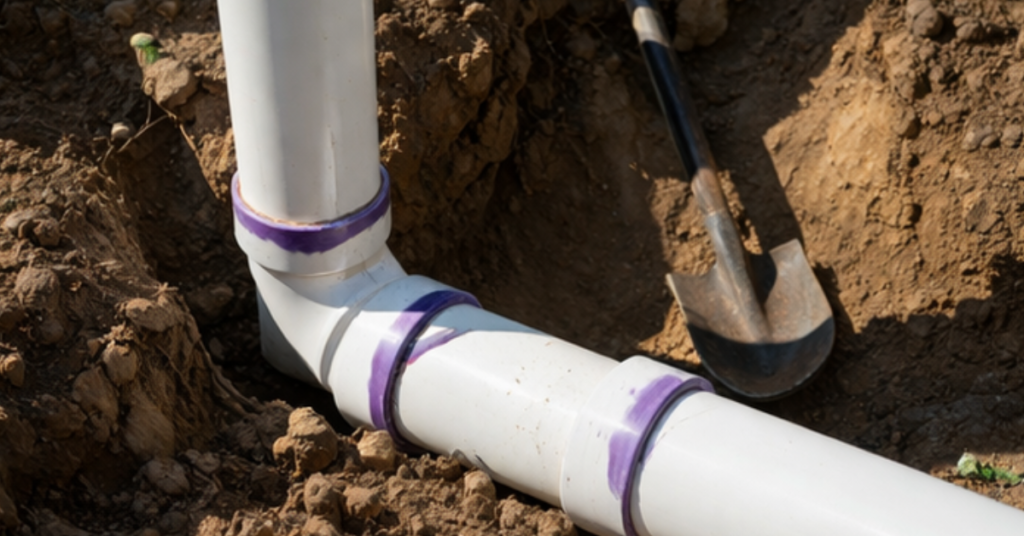
Sewer line problems are among the most disruptive and expensive plumbing issues a homeowner can face. In Tacoma, where aging infrastructure, heavy rainfall, and shifting soil conditions are common, sewer line issues can develop gradually and worsen quickly if ignored.
The challenge is that most sewer problems start subtly. Early warning signs are often mistaken for minor drain issues until the damage becomes severe. Understanding what to look for can help homeowners prevent property damage, health hazards, and costly emergency repairs.
This guide explains the most important sewer line warning signs, what causes them, and what you should do if you suspect a problem in your Tacoma home. You can learn more or schedule service through Einstein Pros Tacoma Plumbing.
1. Multiple Drains Backing Up at the Same Time
One of the clearest signs of a sewer line issue is when more than one drain in your home begins backing up simultaneously. For example, you may notice your toilet bubbling while running the shower or water backing up in a tub when the washing machine drains.
This typically indicates a blockage deeper in the main sewer line rather than a localized clog in a single fixture. According to the U.S. Environmental Protection Agency, wastewater systems are designed to carry waste away from multiple fixtures, so simultaneous backups often signal a main line obstruction or failure.
If this occurs, it should be treated as an urgent warning sign.
2. Persistent Sewer Odors Inside or Outside the Home
A functioning sewer system should be completely sealed. If you begin to notice foul sewage odors in your basement, bathroom, yard, or near drains, it may indicate a cracked or leaking sewer line.
These odors occur when gases escape through damaged pipes or when wastewater is not properly flowing through the system.
In Tacoma, where moisture levels are high, soil saturation can make sewer odors more noticeable, especially after heavy rain.
3. Slow Drains Throughout the House
A single slow drain usually points to a localized clog. However, when every drain in the home begins draining slowly at the same time, it is often a sign of a deeper sewer line restriction.
This can be caused by buildup, tree root intrusion, or pipe collapse.
The City of Tacoma Environmental Services notes that maintaining clear sewer lines is essential to prevent system backups and overflows in residential areas.
4. Gurgling Sounds From Toilets or Drains
If you hear bubbling or gurgling sounds when using plumbing fixtures, this may indicate trapped air in the sewer line caused by a blockage.
As wastewater struggles to pass through a clogged or damaged pipe, air gets forced back through other drains, producing unusual sounds.
While this may seem minor, it is often an early indicator of a developing sewer line problem.
5. Wet Spots or Unusually Green Patches in the Yard
A leaking underground sewer line can release wastewater into the surrounding soil. This often results in soggy patches in the yard or areas where grass grows unusually fast and green compared to the rest of the lawn.
These “hot spots” may appear even during dry weather and are a strong sign that wastewater is escaping underground.
The U.S. Geological Survey explains that subsurface water movement can significantly alter soil moisture levels, which can affect vegetation growth patterns.
6. Frequent Toilet Backups
If your toilet frequently clogs or overflows despite normal use, the issue may not be the toilet itself. Instead, it could be a sign of a partial blockage in the main sewer line.
As the blockage worsens, waste has fewer places to go, causing recurring backups in the lowest plumbing fixture in the home.
7. Foundation or Structural Issues
In severe cases, sewer line leaks can lead to soil erosion beneath your property. Over time, this can compromise your home’s foundation.
Warning signs may include cracks in walls, uneven flooring, or sinking areas in your yard. While these symptoms can have multiple causes, sewer line damage is one possible contributor that should be investigated quickly.
What Causes Sewer Line Problems in Tacoma?
Tacoma homeowners face several common causes of sewer line issues:
- Tree root intrusion searching for moisture
- Aging or corroded pipes
- Ground shifting due to soil movement
- Heavy rainfall overwhelming older systems
- Grease buildup and household debris
Tree roots are one of the most frequent causes, as they naturally seek out water sources and can infiltrate even small cracks in underground pipes.
Why Early Detection Matters
Ignoring sewer line issues can lead to:
- Sewage backups inside the home
- Costly excavation and pipe replacement
- Property and foundation damage
- Health risks from bacteria exposure
According to the U.S. Environmental Protection Agency, maintaining wastewater systems is critical to protecting both public health and the environment.
Early detection significantly reduces repair costs and prevents widespread damage.
What to Do If You Suspect a Sewer Line Problem
If you notice one or more of the warning signs above, it is important to act quickly:
- Avoid using excessive water in the home
- Do not attempt chemical drain treatments, as they may worsen damage
- Document symptoms such as odors, backups, or yard changes
- Contact a licensed plumbing professional for inspection
For homeowners in Tacoma, professional evaluation is the safest way to determine whether the issue is a simple blockage or a more serious sewer line failure.
Prevention Tips for Homeowners
While not all sewer issues are preventable, you can reduce risk by:
- Avoiding grease disposal down drains
- Using drain strainers to catch debris
- Planting trees away from sewer lines
- Scheduling routine plumbing inspections
- Being mindful of what is flushed or washed down drains
Preventive care helps extend the life of your sewer system and reduces emergency repair risks.
Conclusion
Sewer line problems in Tacoma often begin with small, easy-to-miss warning signs such as slow drains, odors, or unusual yard conditions. Recognizing these early symptoms is the key to preventing expensive repairs and serious property damage.
If you suspect a sewer issue, prompt action is essential. Professional inspection can quickly identify whether the problem is minor or requires immediate repair, helping protect both your home and your health.
Sources
U.S. Environmental Protection Agency – Wastewater and Sewer Systems
https://www.epa.gov/npdes
City of Tacoma Environmental Services – Sewer Information
https://www.cityoftacoma.org/government/city_departments/environmentalservices/sewer
U.S. Geological Survey – Water and Groundwater Movement
https://www.usgs.gov/