
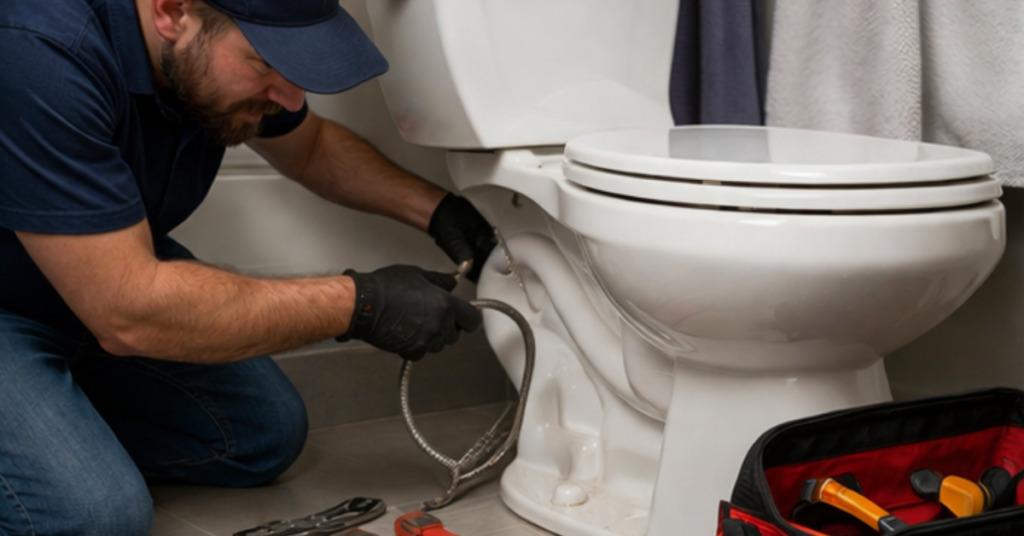
When a pipe bursts, a drain overflows, or water starts leaking into your home, time becomes the most important factor. In situations like these, homeowners often ask the same urgent question: how fast can an emergency plumber arrive in Tacoma?
While exact response times vary, understanding what affects arrival speed—and what you should do while waiting—can help you reduce damage, stay safe, and act quickly in a stressful moment.
When emergencies strike, having access to a reliable plumbing service can make a significant difference in both response time and repair quality. Learn more about local plumbing support here:
https://einsteinpros.com/tacoma-wa-plumber/
Typical Emergency Plumber Response Times in Tacoma
In most emergency situations in Tacoma, a licensed plumber can typically arrive within 30 minutes to 2 hours, depending on several conditions. Some providers may arrive faster if a technician is already nearby, while others may take longer during peak demand periods or severe weather events.
However, “emergency” service generally means the issue is prioritized above standard appointments. That means your call is moved to the front of the queue, and dispatch teams aim to send the nearest available technician immediately.
You can learn more about professional plumbing services and availability in the Tacoma area here:
https://einsteinpros.com/tacoma-wa-plumber/
Factors That Affect Arrival Time
Even when you call for emergency service, several real-world factors influence how quickly help arrives:
1. Time of Day
Late-night, early-morning, and weekend emergencies may take slightly longer depending on technician availability. Many plumbing companies operate 24/7 emergency rotations, but staffing is still limited compared to daytime hours.
2. Distance from Technician
The closer a plumber is to your location in Tacoma, the faster the response. Dispatch systems usually send the nearest available technician to reduce travel time.
3. Severity of the Issue
Life-threatening or property-damaging emergencies—such as major leaks, sewage backups, or burst pipes—are prioritized above less severe issues.
4. Weather and Traffic Conditions
Tacoma’s weather, including heavy rain or icy conditions, can slow down travel times significantly. Traffic congestion during rush hours can also impact arrival speed.
5. Call Volume
During extreme weather events or widespread plumbing failures (like freezing temperatures causing multiple burst pipes), response times may increase due to high demand.
What You Should Do While Waiting for the Plumber
While waiting for emergency help to arrive, your actions can significantly reduce property damage.
Shut Off the Water Supply Immediately
The first step in most plumbing emergencies is stopping the flow of water. Locate your home’s main water shut-off valve and turn it off. This can prevent flooding and reduce long-term damage.
The U.S. Environmental Protection Agency emphasizes the importance of quickly addressing household water leaks to prevent waste and structural damage:
https://www.epa.gov/watersense/fix-leak-week
Turn Off Electrical Power if Needed
If water is near electrical outlets, appliances, or your breaker panel, shut off power to affected areas to reduce the risk of electrical hazards.
Emergency preparedness guidelines from Ready.gov recommend turning off utilities in flooding situations when safe to do so:
https://www.ready.gov/home-floods
Contain the Water
Use towels, buckets, or containers to limit the spread of water. Even temporary containment can help minimize damage to flooring, walls, and furniture.
Document the Damage
Take photos or videos of the affected area. This documentation may be useful for insurance claims later.
What Happens When the Emergency Plumber Arrives
Once your emergency plumber arrives in Tacoma, they will typically follow a structured process:
1. Immediate Assessment
The plumber will quickly identify the source of the problem and evaluate the severity of the damage.
2. Temporary Mitigation
If the issue cannot be fully repaired immediately, the technician will take steps to stop active damage, such as patching a leak or isolating a pipe section.
3. Permanent Repair Plan
After stabilizing the situation, the plumber will recommend a long-term repair solution. This may involve pipe replacement, fixture repair, or drain clearing depending on the issue.
4. Cleanup Recommendations
In cases involving flooding or sewage backup, the plumber may also advise on water removal and sanitation steps to prevent mold growth and structural issues.
Common Plumbing Emergencies in Tacoma Homes
Understanding what qualifies as a plumbing emergency helps you react faster. Some of the most common situations include:
- Burst or frozen pipes
- Sewer line backups
- Major water leaks
- Overflowing toilets
- Water heater failures
- Severe drain blockages
These issues require immediate attention because they can escalate quickly, causing structural damage or health risks if left unresolved.
How to Reduce Future Emergency Risks
While emergencies can’t always be prevented, regular maintenance significantly lowers your risk.
- Schedule routine plumbing inspections
- Insulate exposed pipes during cold months
- Avoid flushing non-degradable items
- Monitor water pressure levels
- Address small leaks immediately
Preventive maintenance is one of the most effective ways to avoid costly emergency repairs.
Final Thoughts
In Tacoma, emergency plumbing response times are generally fast, often ranging from 30 minutes to 2 hours, depending on location, weather, and demand. While waiting, the most important steps you can take are shutting off your water supply, minimizing damage, and staying safe.
When emergencies strike, having access to a reliable plumbing service can make a significant difference in both response time and repair quality. Learn more about local plumbing support here:
https://einsteinpros.com/tacoma-wa-plumber/
Sources
https://www.epa.gov/watersense/fix-leak-week
https://www.ready.gov/home-floods