Preventative plumbing maintenance is no longer optional for homeowners in Central Oregon—it has become a critical part of protecting property value, reducing long-term repair costs, and maintaining efficient water use. As homes age and climate conditions continue to shift in 2026, plumbing systems face increased stress from temperature fluctuations, mineral-heavy water, and seasonal usage spikes.
Homeowners who take a proactive approach to plumbing maintenance can avoid emergency breakdowns, unexpected water damage, and costly system replacements. Local professionals like Einstein Pros Central Oregon Plumbing emphasize preventative care as the foundation of a reliable and efficient home plumbing system.
The Rising Importance of Preventative Plumbing in 2026
Across the United States, plumbing systems are under increasing pressure due to aging infrastructure and rising water demand. According to the U.S. Environmental Protection Agency, household leaks alone waste nearly 1 trillion gallons of water annually nationwide, often due to undetected plumbing issues that could have been prevented with routine inspections.
In Central Oregon, homeowners face additional challenges:
- Hard water mineral buildup that damages pipes and fixtures
- Seasonal freezing temperatures that increase burst pipe risk
- Expanding suburban development with older mixed-age plumbing systems
- Higher water usage during dry summer months
Preventative maintenance helps identify these risks early before they become expensive emergencies.
What Preventative Plumbing Maintenance Includes
Preventative plumbing maintenance is not just a quick inspection. It is a structured process designed to keep a home’s entire water system functioning efficiently.
1. Pipe Inspection and Leak Detection
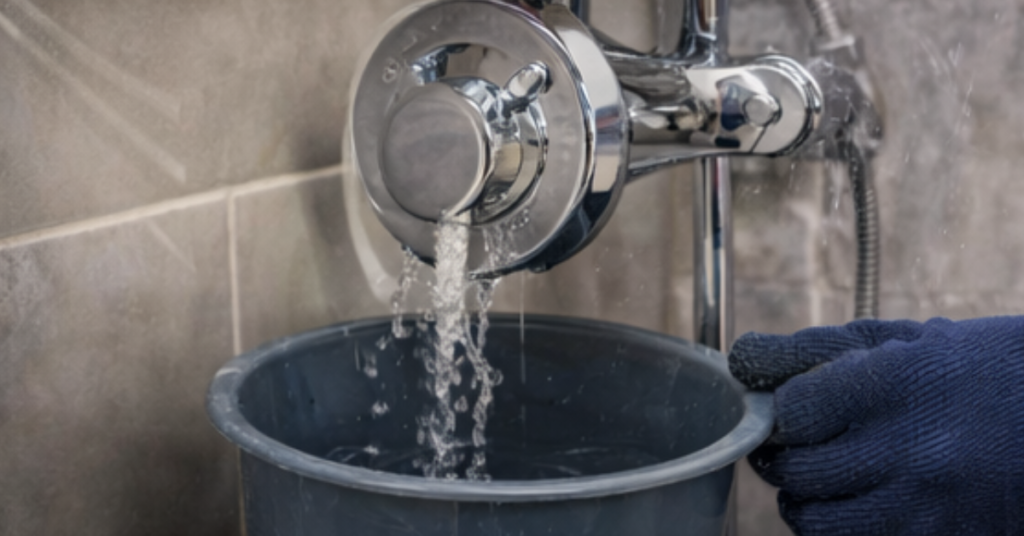
Small leaks behind walls, under floors, or in crawl spaces often go unnoticed for months. Over time, they can cause structural damage, mold growth, and rising water bills. Early detection allows repairs before major damage occurs.
2. Water Heater Maintenance
Sediment buildup inside water heaters reduces efficiency and shortens lifespan. The U.S. Department of Energy recommends routine flushing and inspection to maintain performance and energy efficiency.
3. Drain and Sewer Line Checks
Slow drains and recurring clogs are early indicators of deeper issues in the sewer line. Preventative checks help avoid backups that can cause hazardous wastewater exposure.
4. Water Pressure Testing
Excessive water pressure strains pipes and appliances, leading to premature wear. A simple pressure test can identify whether a pressure regulator adjustment is needed.
5. Fixture and Valve Inspections
Faucets, shut-off valves, and hose bibs degrade over time. Regular inspection ensures that emergency shutoff systems work when needed.
Why Central Oregon Homes Are Especially Vulnerable
Central Oregon’s environment creates unique plumbing challenges that make preventative maintenance especially important.
Temperature Swings and Frozen Pipes
Winter freezing conditions can cause water inside pipes to expand, leading to cracks or full pipe bursts. Even small weaknesses in plumbing systems become major risks during cold snaps.
Hard Water Mineral Deposits
Many homes in the region experience hard water, which leaves calcium and magnesium deposits inside pipes and appliances. Over time, this buildup reduces water flow and damages internal components.
Seasonal Usage Pressure
Homes in Central Oregon often experience seasonal occupancy changes, including vacation rentals and second homes. Extended periods of low usage can lead to unnoticed leaks or dried-out seals.
The Financial Case for Preventative Maintenance
One of the strongest arguments for preventative plumbing care is cost savings. A small leak repaired early may cost a fraction of what a full water damage restoration requires.
Common cost comparisons:
- Early leak repair: low cost, minimal disruption
- Burst pipe emergency: extensive repair + water damage restoration
- Sewer backup: structural cleanup, health hazards, and flooring replacement
Routine maintenance helps homeowners avoid these high-cost emergencies entirely.
Environmental Benefits of Preventative Plumbing
Efficient plumbing is also an environmental issue. Reducing leaks and improving system efficiency conserves water and reduces energy usage from water heating systems.
The EPA WaterSense program highlights that simple efficiency improvements can significantly reduce household water waste, contributing to long-term environmental sustainability.
How Einstein Pros Supports Central Oregon Homeowners
Preventative maintenance is most effective when performed consistently by trained professionals who understand local plumbing conditions.
Einstein Pros Central Oregon Plumbing provides homeowners with preventative maintenance services designed specifically for regional challenges such as hard water, freeze risk, and aging infrastructure. Their approach focuses on identifying small issues before they escalate into major system failures.
For homeowners, this means fewer emergencies, longer-lasting plumbing systems, and improved home efficiency year-round.
When to Schedule Preventative Plumbing Maintenance
Homeowners should schedule preventative inspections:
- At least once per year for standard homes
- Twice per year for older homes or high-usage properties
- Before winter to prevent frozen pipe issues
- After major weather shifts or plumbing renovations
Consistency is key—most major plumbing failures begin as small, undetected issues.
Final Thoughts
In 2026, preventative plumbing maintenance is one of the most effective ways for Central Oregon homeowners to protect their property, reduce long-term costs, and improve water efficiency. With increasing environmental stress, aging infrastructure, and seasonal climate challenges, proactive care is more important than ever.
Working with trusted local professionals like Einstein Pros Central Oregon Plumbing ensures that small plumbing issues are caught early—before they become expensive emergencies.
Sources & References
- https://www.epa.gov/watersense
- https://www.energy.gov/energysaver/water-heating
- https://www.usgs.gov/special-topics/water-science-school/science/water-use-united-states
- https://www.cdc.gov/healthywater/index.html
- https://www.epa.gov/watersense/fix-leak-week