
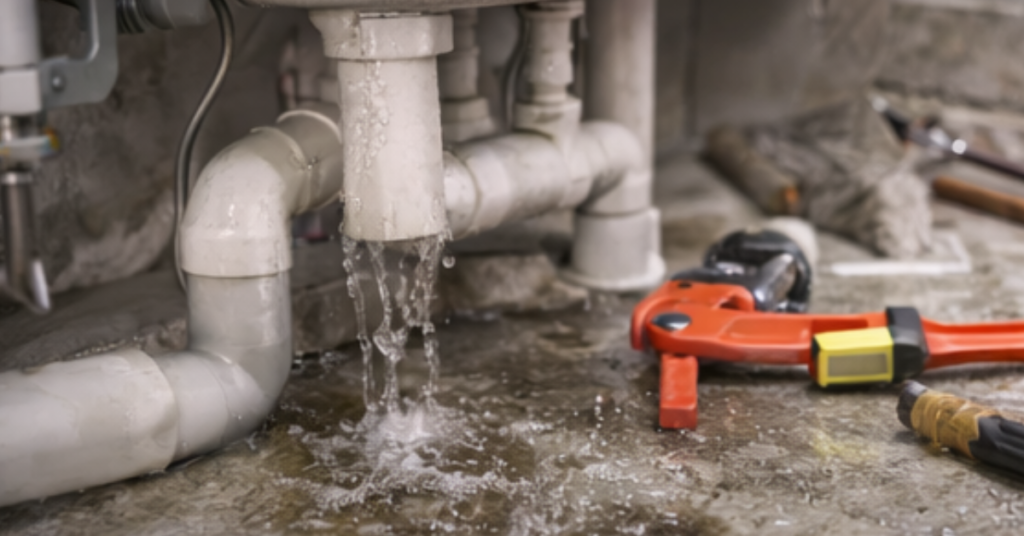
A burst pipe is one of the most expensive and disruptive plumbing emergencies a homeowner can face. In Central Oregon, where seasonal temperature swings and older plumbing systems are common, the risk is even higher. The good news is that pipes rarely burst without warning. They usually show clear signs of stress before failure happens.
Understanding these warning signs early can save thousands of dollars in water damage repairs and prevent major disruption to your home. Below are the top 10 signs your pipes may be about to burst—and what you can do to prevent it.
If you need professional inspection or emergency help, you can contact Einstein Pros Central Oregon Plumbing here:
https://einsteinpros.com
1. Sudden Drop in Water Pressure
A noticeable decrease in water pressure often signals a hidden leak, corrosion, or blockage inside your pipes. When pipes weaken, they restrict normal water flow.
According to the U.S. Environmental Protection Agency, household leaks can waste nearly 10,000 gallons of water annually, often due to unseen pipe failures.
https://www.epa.gov/watersense/fix-leak-week
Prevention tip: Schedule regular plumbing inspections and monitor pressure changes across multiple fixtures.
2. Discolored or Rusty Water
Brown, yellow, or reddish water is a sign of pipe corrosion—especially in older galvanized steel pipes. Corrosion weakens the pipe walls, increasing the risk of bursting under pressure.
The International Association of Certified Home Inspectors notes that rust-colored water often indicates deteriorating plumbing systems that may require replacement.
https://www.nachi.org
Prevention tip: Flush your system and have corroded piping evaluated for replacement before failure occurs.
3. Unusual Noises in Pipes
Banging, rattling, or whistling sounds—often called “water hammer”—can indicate high pressure or loose pipe fittings. Over time, this stress can lead to cracks or breaks.
The American Society of Plumbing Engineers highlights pressure surges as a leading cause of pipe damage in residential systems.
https://www.aspe.org
Prevention tip: Install pressure regulators and secure loose piping.
4. Frequent Leaks at Joints or Fixtures
If you’re repeatedly fixing leaks in different areas, it’s a sign the system is weakening overall. Joint leaks often indicate shifting pressure or aging materials.
Prevention tip: Do not rely on repeated patch repairs—have a full system evaluation performed instead.
5. Visible Pipe Corrosion or Rust
Corrosion weakens pipe walls from the outside and inside. If you can see rust, flaking, or greenish stains on copper pipes, failure may be near.
According to Energy.gov, corrosion is one of the most common causes of plumbing system degradation in older homes.
https://www.energy.gov/energysaver/plumbing
Prevention tip: Replace corroded sections before they fail completely.
6. Water Stains on Walls or Ceilings
Yellow or brown stains often indicate a slow leak behind walls. These hidden leaks frequently precede full pipe bursts.
Prevention tip: Investigate stains immediately. Delaying repairs increases structural damage risk.
7. Sudden Spike in Water Bills
If your water usage habits haven’t changed but your bill increases, you may have a hidden leak or pipe damage.
The EPA estimates that household leaks are responsible for nearly 1 trillion gallons of wasted water annually in the U.S.
https://www.epa.gov/watersense/statistics-and-facts
Prevention tip: Monitor monthly usage trends and investigate sudden increases immediately.
8. Low Water Flow in Multiple Fixtures
When multiple faucets or showers experience weak flow at the same time, it may indicate a deeper system issue, such as pipe narrowing from buildup or internal collapse.
Prevention tip: Have your main water line inspected for blockages or deterioration.
9. Frost or Cold Spots on Pipes
In colder Central Oregon months, exposed pipes can freeze. Freezing water expands inside pipes, increasing internal pressure until the pipe bursts.
The U.S. Department of Energy warns that frozen pipes are a major cause of winter water damage in homes.
https://www.energy.gov/energysaver/frozen-pipes
Prevention tip: Insulate exposed pipes and maintain indoor heat during cold weather.
10. Aging Plumbing System (20+ Years Old)
If your home has aging galvanized steel or outdated plumbing materials, the risk of bursting increases significantly over time.
Older systems naturally weaken due to corrosion, mineral buildup, and pressure fatigue.
Prevention tip: Consider a full plumbing evaluation and phased repiping plan if necessary.
How to Prevent Burst Pipes Before They Happen
Preventing pipe bursts is far more affordable than repairing water damage. Here are the most effective prevention strategies:
- Schedule annual plumbing inspections
- Maintain consistent water pressure (ideally 40–60 PSI)
- Insulate pipes in crawl spaces, garages, and exterior walls
- Replace aging or corroded pipes early
- Monitor your water bill for unexplained increases
- Address small leaks immediately instead of delaying repairs
Routine maintenance is especially important in regions like Central Oregon, where freezing temperatures can quickly turn minor vulnerabilities into major failures.
Why Early Detection Matters
A burst pipe can release hundreds of gallons of water in minutes, damaging flooring, drywall, insulation, and electrical systems. According to FEMA, water damage is one of the most common and costly types of residential property damage in the United States.
Early detection and preventative maintenance are the best defenses against these emergencies.
If you suspect your plumbing system is showing warning signs, it’s best to act before a small issue becomes a major disaster.
Professional Help in Central Oregon
For inspections, leak detection, or emergency plumbing services, you can contact:
Einstein Pros Central Oregon Plumbing
https://einsteinpros.com
Their team can assess pipe condition, identify hidden risks, and help prevent burst pipe emergencies before they happen.