
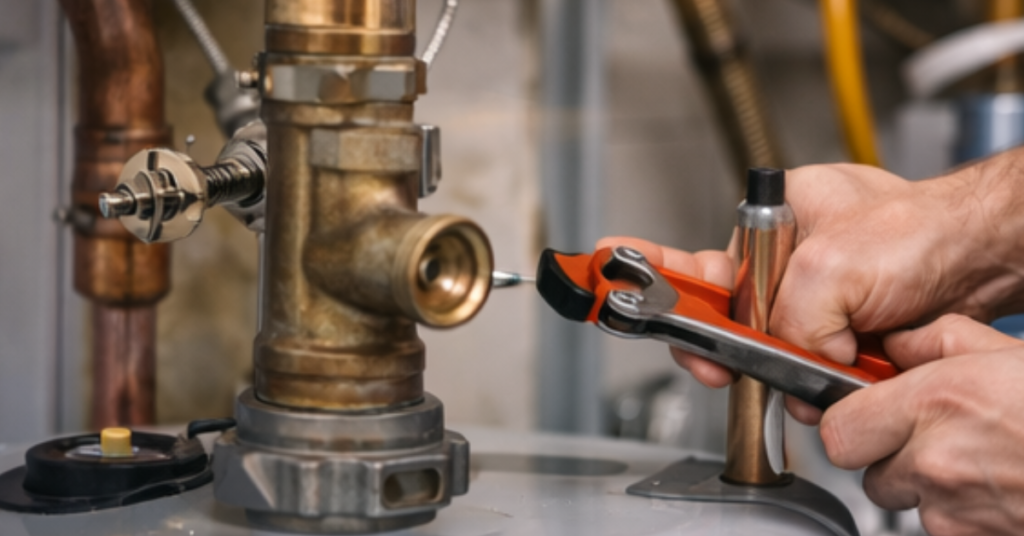
Frozen pipes are one of the most expensive and disruptive winter plumbing problems for homeowners in Oregon. When temperatures drop suddenly, especially during overnight cold snaps, water inside your pipes can freeze, expand, and cause pipes to crack or burst. The result can be flooding, structural damage, and costly repairs that could have been prevented with early action.
If you’re dealing with recurring frozen pipes, or you want to avoid them altogether, understanding the causes and prevention methods is essential. Homeowners in Central Oregon are especially vulnerable due to wide temperature swings, older housing insulation, and exposed plumbing in crawl spaces or garages.
For professional help, homeowners often rely on trusted local expertise such as Einstein Pros Central Oregon Plumbing for inspections, insulation upgrades, and emergency plumbing support.
Why Pipes Freeze in Oregon Homes
Pipes freeze when the temperature around them drops below 32°F (0°C) and they are exposed to cold air for long enough. While this sounds simple, several conditions in Oregon make it more likely:
1. Sudden temperature drops
Central Oregon often experiences rapid nighttime freezes after relatively mild daytime temperatures. This prevents pipes from gradually adjusting and increases freeze risk.
2. Poor insulation
Homes with inadequate pipe insulation in basements, crawl spaces, attics, or exterior walls are especially vulnerable. Cold air easily reaches exposed plumbing.
3. Drafts and air leaks
Small openings around walls, floors, or pipe entry points allow freezing air to circulate around plumbing.
4. Outdoor hose bibs and exterior lines
Outdoor faucets and irrigation lines are often the first to freeze because they are directly exposed to winter air.
5. Low water flow
Water that is not moving is more likely to freeze. Pipes with low or no overnight usage are at higher risk.
Warning Signs Your Pipes Are Freezing
Catching the problem early can prevent a burst pipe. Watch for:
- Slow or no water flow from faucets
- Frost forming on visible pipes
- Unusual smells coming from drains
- Strange banging or rattling sounds in walls
- Faucets that only trickle water during cold mornings
If you notice these signs, it’s important to act quickly before the pipe fully freezes or bursts.
How to Prevent Pipes from Freezing
Preventing frozen pipes is far easier and cheaper than repairing water damage. Here are proven prevention strategies used by plumbing professionals and recommended by national safety agencies.
1. Insulate exposed pipes
Pipe insulation is one of the most effective ways to prevent freezing. Focus on attics, garages, crawl spaces, and exterior walls.
2. Seal air leaks
Use caulk or spray foam to close gaps where cold air can enter near plumbing lines.
3. Keep cabinet doors open
During freezing nights, open kitchen and bathroom cabinet doors so warm air can circulate around pipes under sinks.
4. Let faucets drip
A slow drip keeps water moving, reducing the chance of freezing.
5. Disconnect outdoor hoses
Remove hoses from outdoor faucets and shut off exterior water lines when possible.
6. Maintain consistent indoor heat
Even when you are away, keep your thermostat set to at least 55°F (13°C) to protect interior plumbing.
7. Upgrade vulnerable plumbing systems
Older homes may benefit from pipe rerouting or insulation upgrades performed by professionals such as Einstein Pros Central Oregon Plumbing.
What to Do If Your Pipes Freeze
If you suspect a frozen pipe, take immediate action:
- Turn on the faucet connected to the frozen pipe
- Apply gentle heat using a hair dryer or space heater (never an open flame)
- Warm the pipe section gradually from faucet toward the frozen area
- Check for leaks once water begins flowing again
If the pipe does not thaw quickly or you suspect it has burst, shut off your main water supply immediately and contact a licensed plumber.
Why Central Oregon Homes Are at Higher Risk
Central Oregon’s climate creates unique plumbing challenges:
- Cold nighttime temperatures even in early spring
- Older homes with limited insulation upgrades
- High number of crawl space foundations
- Seasonal vacation homes left unheated
These conditions make prevention especially important, not just reactive repairs.
When to Call a Professional Plumber
Some freezing issues indicate deeper plumbing vulnerabilities. You should contact a professional if:
- Pipes freeze repeatedly every winter
- You notice reduced water pressure after cold nights
- You suspect a hidden leak inside walls
- Your plumbing system has not been inspected in years
Professional inspection and winterization services from Einstein Pros Central Oregon Plumbing can identify weak points in your system before winter damage occurs.
Final Thoughts
Frozen pipes are preventable in most cases, but only if homeowners take proactive steps before freezing temperatures arrive. Insulation, air sealing, and consistent heating are the most effective defenses against winter plumbing damage in Oregon.
If your home has experienced frozen pipes before, it’s a strong sign that your plumbing system needs preventive upgrades. Acting early can save thousands of dollars in repairs and protect your home from serious water damage.