
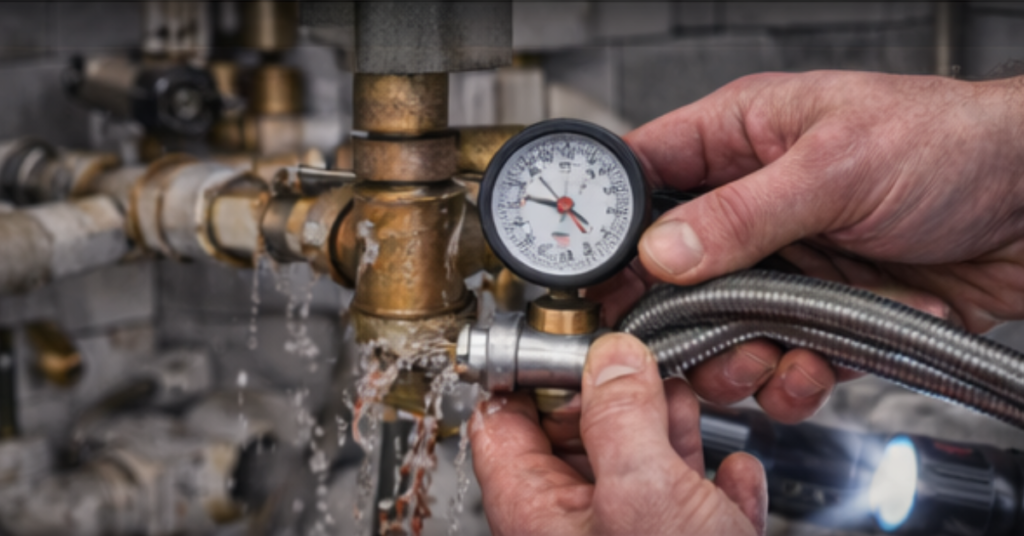
Winter in Central Oregon often brings freezing temperatures that can put serious stress on household plumbing systems. When water freezes inside pipes, it expands, which can create cracks, bursts, or hidden structural damage. Even if your pipes didn’t fully burst during winter, the freeze–thaw cycle can weaken them and lead to costly leaks later in the spring.
As temperatures begin to rise, homeowners should inspect their plumbing systems for signs of winter damage. Catching issues early can prevent major water damage and expensive repairs. If you notice any of the warning signs below, it may be time to schedule a professional inspection with the experienced technicians at Einstein Pros Plumbing.
Why Winter Can Damage Pipes
When temperatures drop below freezing, the water inside pipes can freeze and expand. According to the U.S. Department of Energy, this expansion can place extreme pressure on plumbing systems, sometimes causing pipes to crack or rupture.
Central Oregon homes are particularly vulnerable because cold snaps can occur suddenly, especially in areas like Bend and surrounding communities. Even well-insulated homes can experience plumbing stress during prolonged freezing weather.
Below are the most common signs that winter may have damaged your plumbing system.
1. Reduced Water Pressure
One of the earliest warning signs of pipe damage is a sudden drop in water pressure.
Frozen pipes can partially block water flow, and if a pipe cracked during the winter, water may be leaking before it reaches your faucets. The Environmental Protection Agency notes that hidden leaks are a major cause of pressure loss and water waste in homes.
If your shower or sink pressure seems weaker than usual, winter damage could be the cause.
2. Visible Cracks or Bulges in Pipes
Sometimes the damage is visible.
When frozen water expands inside a pipe, it can cause the pipe walls to bulge or crack. Even a small fracture can eventually turn into a significant leak once water pressure returns to normal.
Inspect exposed pipes in areas such as:
- Basements
- Crawl spaces
- Garages
- Utility rooms
If you notice deformation, corrosion, or cracks, it’s important to have the system evaluated promptly.
3. Strange Noises in Your Plumbing
Banging, rattling, or whistling noises inside pipes may indicate winter damage.
These sounds can occur when cracked pipes create irregular water flow or when air enters the plumbing system through a damaged section. According to home maintenance experts at Consumer Reports, unusual plumbing noises often signal underlying issues that require inspection.
4. Water Stains on Walls or Ceilings
Hidden pipe leaks often appear as water stains.
If a pipe froze and cracked inside your walls during winter, the damage may only become visible once temperatures warm up and water begins flowing normally again. Signs include:
- Yellow or brown stains
- Peeling paint
- Warped drywall
These symptoms often indicate a leak behind the surface.
5. Unexplained Increase in Water Bills
A sudden spike in your water bill could mean a hidden leak caused by winter pipe damage.
The EPA estimates that household leaks waste nearly one trillion gallons of water annually in the United States. Even small pipe cracks can leak continuously and dramatically increase water costs.
Monitoring your monthly usage is one of the easiest ways to detect hidden plumbing problems.
6. Mold or Musty Odors
Leaks caused by cracked pipes create the perfect environment for mold growth.
If you notice persistent musty smells in areas like bathrooms, kitchens, or basements, moisture from a hidden leak may be present. Mold growth can begin within 24–48 hours of water exposure, according to the Centers for Disease Control and Prevention.
Ignoring these odors can lead to larger structural and indoor air quality issues.
7. Slow Drains Throughout the House
While a single clogged drain is common, multiple slow drains could indicate a larger plumbing issue.
When pipes crack or shift due to freezing temperatures, debris may accumulate inside the plumbing system. This can disrupt normal drainage and create slow-moving water throughout the house.
8. Water Pooling Around Your Home’s Foundation
Outdoor pipes and underground lines are also vulnerable to freezing.
If snowmelt reveals puddles forming near your foundation or yard areas where no irrigation system is running, a cracked pipe underground may be leaking. The U.S. Geological Survey explains that household plumbing leaks can sometimes remain hidden for long periods before surfacing outdoors.
9. Discolored Water
Rusty or brown water from faucets may indicate internal pipe damage.
When pipes crack or corrode during freezing weather, sediment and rust may enter the water supply. This is especially common in older plumbing systems.
While occasional discoloration may occur after maintenance work, persistent changes in water color should be inspected.
10. Damp Areas in Basements or Crawl Spaces
Central Oregon homes often have crawl spaces where pipes are exposed to colder temperatures.
If those pipes froze during winter, they may now be leaking slowly. Damp insulation, puddles, or condensation buildup are common indicators of plumbing damage in these areas.
Routine inspections of these spaces can help identify issues early before they cause structural damage.
What to Do if You Suspect Pipe Damage
If you notice any of these signs, it’s important to address the problem quickly. Small cracks can rapidly worsen, especially once spring irrigation systems and outdoor plumbing are used again.
A professional plumbing inspection can identify:
- Hidden leaks
- Freeze damage
- Pipe weaknesses
- Potential burst risks
Homeowners in Central Oregon can schedule an inspection with the licensed professionals at Einstein Pros Plumbing. Their experienced technicians can evaluate your system, detect hidden issues, and recommend repairs before minor problems turn into major plumbing emergencies.
Protect Your Plumbing After Winter
While winter can be tough on plumbing systems, early detection and maintenance can prevent expensive repairs. Inspect exposed pipes, monitor water pressure and bills, and watch for moisture or unusual sounds in your plumbing.
If anything seems unusual, a professional evaluation can provide peace of mind and ensure your plumbing system remains safe and efficient for the warmer months ahead.
To schedule a plumbing inspection or learn more about protecting your home’s plumbing system, visit Einstein Pros Plumbing.
Sources:
EPA: Common Sewer Problems