
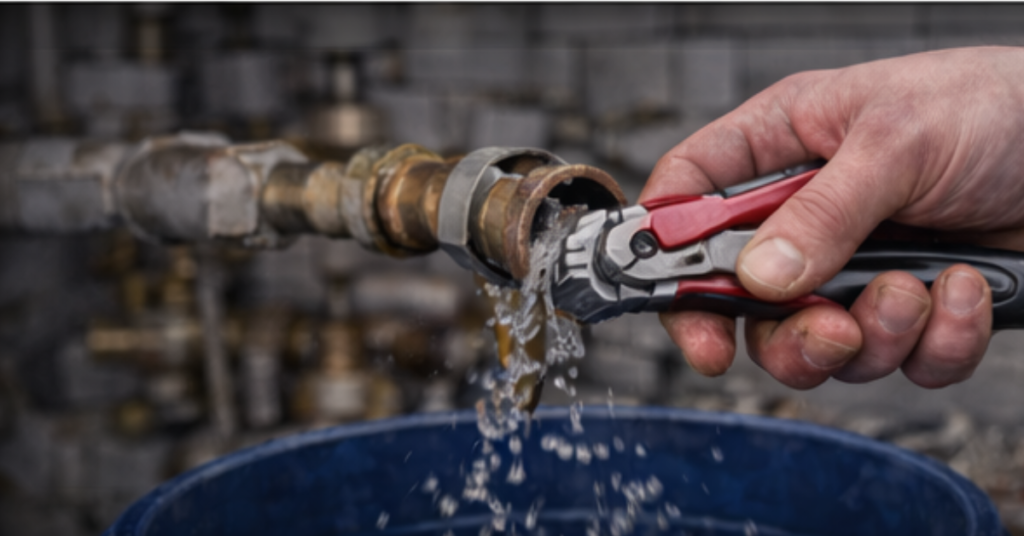
Spring in Central Oregon brings warmer temperatures, melting snow, and seasonal rain. While the shift in weather is welcome after winter, it can expose plumbing issues caused by freezing temperatures, pipe expansion, and months of heavy use.
Performing a spring plumbing inspection helps homeowners catch problems early and avoid expensive repairs later in the year. A seasonal check also improves water efficiency and ensures your plumbing system is functioning properly.
If you discover issues during your inspection or want a professional assessment, homeowners can schedule service through Einstein Pros Plumbing.
Below is a practical spring plumbing checklist designed specifically for Central Oregon homes.
1. Check for Hidden Leaks
Leaks often develop during winter due to pipe expansion and contraction from freezing temperatures. Even a small leak can waste a significant amount of water over time.
According to the U.S. Environmental Protection Agency’s Fix a Leak Week program, household leaks waste nearly 1 trillion gallons of water nationwide each year, and repairing leaks can save homeowners around 10 percent on water bills.
During your spring inspection:
- Check under sinks for moisture or corrosion
- Inspect exposed pipes in basements or crawl spaces
- Look for water stains on ceilings or walls
- Monitor your water bill for unexpected increases
If you suspect a hidden leak, professional detection services from Einstein Pros can help locate the problem before it causes structural damage.
2. Inspect Toilets for Silent Leaks
Toilets are a common source of hidden water loss. A worn flapper or faulty valve can allow water to continuously flow from the tank into the bowl.
The EPA WaterSense home maintenance guide recommends performing a simple dye test. Place a few drops of food coloring into the toilet tank and wait about 10 minutes. If colored water appears in the bowl without flushing, the toilet likely has a leak.
Other signs include:
- Constant running water
- Weak flushing performance
- Water trickling into the overflow tube
Repairing toilet leaks quickly prevents wasted water and unnecessary utility costs.
3. Examine Faucets and Showerheads
Dripping faucets and showerheads can waste hundreds of gallons of water annually. Spring is a good time to inspect all plumbing fixtures for wear and buildup.
Check for:
- Dripping faucets
- Mineral buildup around fixtures
- Reduced water flow
- Loose pipe connections under sinks
The EPA WaterSense maintenance checklist recommends removing mineral deposits from fixtures regularly to maintain proper water pressure and efficiency.
If you notice persistent leaks or pressure issues, a plumbing inspection from Einstein Pros Plumbing can help diagnose the cause.
4. Inspect Outdoor Faucets and Hose Bibs
Outdoor plumbing fixtures are particularly vulnerable to winter damage. Frozen water inside pipes can cause cracks that only become noticeable when the faucet is used again in spring.
To check outdoor faucets:
- Turn the faucet on slowly
- Look for dripping water around the handle or spout
- Check interior walls for moisture when the faucet is running
If water leaks inside the home while the outdoor faucet is on, it could indicate a cracked pipe inside the wall.
Addressing this issue early can prevent serious water damage.
5. Flush and Inspect Your Water Heater
Water heaters accumulate sediment over time, especially in areas with mineral-rich water. Sediment buildup can reduce efficiency and shorten the lifespan of the appliance.
The U.S. Department of Energy’s water heating guide recommends periodic maintenance to keep water heaters running efficiently.
During a spring inspection:
- Check the base of the tank for water leaks
- Look for rust or corrosion on fittings
- Listen for rumbling sounds indicating sediment buildup
Professional maintenance from Einstein Pros can help extend the life of your water heater and ensure reliable hot water throughout the year.
6. Check Water Pressure
Water pressure that is too high or too low can cause plumbing issues.
According to the EPA WaterSense guidelines, most residential plumbing systems operate best when water pressure stays between 45 and 60 psi.
If your home experiences unusually strong pressure, it can strain pipes, appliances, and fixtures. Low pressure may indicate:
- Pipe corrosion
- Blockages in supply lines
- Hidden leaks
A professional plumbing evaluation can determine whether pressure regulation is needed.
7. Inspect Your Irrigation System
Spring is the time when many homeowners restart their lawn irrigation systems. Winter weather can damage sprinkler heads, valves, and underground pipes.
The EPA WaterSense Sprinkler Spruce-Up guide recommends testing each irrigation zone to ensure proper operation.
Before using your system regularly:
- Run each sprinkler zone briefly
- Look for broken sprinkler heads
- Check for water pooling in the yard
- Adjust sprinkler direction to avoid sidewalks and driveways
Proper irrigation maintenance can reduce water waste and improve landscaping efficiency.
8. Check Drains for Slow Flow
Slow drains are often an early sign of developing clogs. Spring is a good time to inspect sinks, showers, and tubs for drainage issues.
Common warning signs include:
- Water pooling in sinks or showers
- Gurgling noises in pipes
- Unpleasant odors coming from drains
If multiple drains are slow, the issue may be deeper in the main sewer line.
Professional drain inspections from Einstein Pros Plumbing can identify blockages and restore proper flow.
9. Schedule a Professional Plumbing Inspection
While homeowners can perform many basic checks, professional inspections often reveal hidden problems that may not be visible during routine maintenance.
A professional plumbing inspection typically includes:
- Leak detection
- Pipe condition evaluation
- Water heater inspection
- Drain and sewer assessment
Scheduling seasonal maintenance with Einstein Pros ensures your plumbing system is prepared for the warmer months ahead.
Protect Your Home with Spring Plumbing Maintenance
Seasonal plumbing maintenance helps Central Oregon homeowners protect their homes from leaks, water damage, and unnecessary utility expenses.
By following this spring plumbing checklist, you can identify small problems before they turn into costly repairs and keep your plumbing system running efficiently throughout the year.
If you notice leaks, pressure issues, or drainage problems, contacting a trusted professional is the safest option. To learn more about expert plumbing services or schedule maintenance, visit Einstein Pros Plumbing.
Routine inspections today can prevent major plumbing emergencies tomorrow and help ensure your home remains safe, efficient, and comfortable year-round.
Sources:
U.S. Environmental Protection Agency – Fix a Leak Week
Learn how to detect and repair household plumbing leaks and reduce water waste.
https://www.epa.gov/watersense/fix-leak-week
EPA WaterSense – Home Maintenance Guide
Guidance on plumbing maintenance, including recommended residential water pressure levels and annual water heater servicing.
https://www.epa.gov/watersense/home-maintenance
EPA WaterSense Program – Leak Statistics and Water Conservation
Information about water waste caused by household leaks and how fixing leaks can reduce water bills.
https://www.epa.gov/newsreleases/watersense-program-encourages-homeowners-join-fix-leak-week-and-save-water
EPA WaterSense – Leak Facts and Water Waste Data
Statistics on common household plumbing leaks and their impact on water consumption.
https://19january2017snapshot.epa.gov/www3/watersense/pubs/fixleak.html