
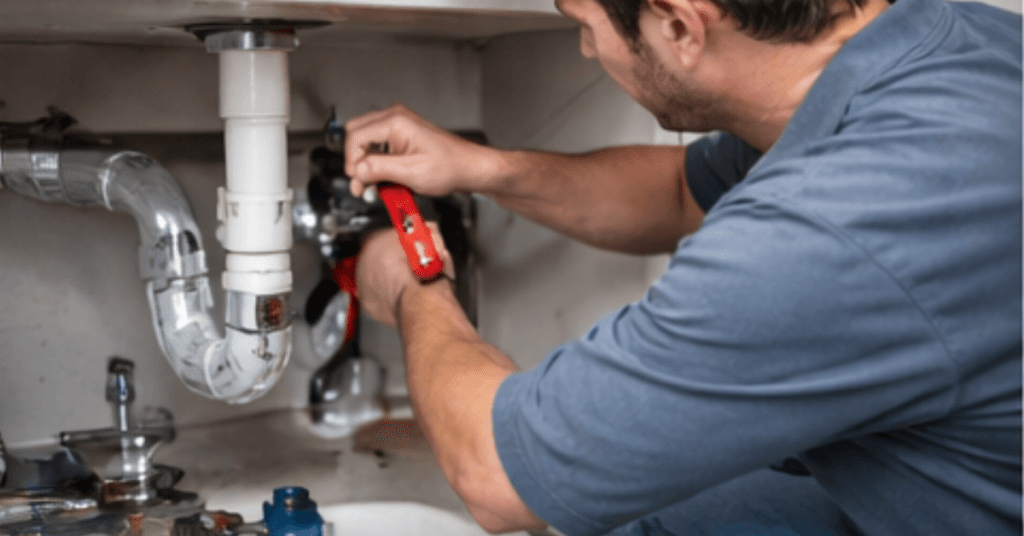
Winter in Central Oregon brings freezing temperatures, icy nights, and weather conditions that can cause serious plumbing issues if homeowners aren’t prepared. As local residents brace for the coldest months of the year, misinformation often spreads about how to prevent frozen pipes, protect water heaters, and maintain plumbing systems during winter. While some of these winter plumbing “tips” may sound convincing, many can actually cause more harm than good.
To help homeowners take the right precautions, this guide separates fact from fiction and explains what truly works during the winter months. For additional expert guidance and professional plumbing help, visit Einstein Pros
Myth 1: Pipes Only Freeze When Temperatures Drop Below Zero
Many people believe pipes will not freeze unless temperatures fall below 0°F. While extremely cold conditions certainly increase the risk, pipes can freeze at temperatures as high as 20°F—especially if they are exposed, uninsulated, or located in unheated areas such as crawl spaces or garages.
According to the U.S. Environmental Protection Agency, unaddressed leaks and poor insulation can lead to significant water loss and plumbing failures during cold weather. See the EPA’s recommendations for leak prevention here:
https://www.epa.gov/watersense/fix-leak-week
What Works:
Proper insulation, sealing air leaks around pipe entry points, and maintaining indoor temperatures consistently above 55°F can effectively reduce the risk of frozen pipes.
Myth 2: Letting Faucets Drip Isn’t Necessary Unless It’s Extremely Cold
Some homeowners think that dripping faucets is only necessary during record-breaking cold events. However, letting faucets drip slightly can reduce pressure buildup inside the pipes and prevent freezing during any significant cold spell.
Homes & Gardens explains how dripping faucets can help prevent freezing during winter:
https://www.homesandgardens.com/advice/when-to-drip-faucets
What Works:
Allow a slow drip from the faucet connected to the most vulnerable pipes—those located along exterior walls or near poorly insulated areas.
Myth 3: Hot Water Pipes Don’t Freeze
Even though hot water pipes carry heated water, they are just as vulnerable to freezing as cold water pipes once the heat dissipates and the water in the line cools down. Pipes in uninsulated basements or crawl spaces are at especially high risk.
What Works:
Insulate both hot and cold water lines, especially those running through attics, basements, and garages.
Myth 4: Using Space Heaters Near Pipes Is a Good Idea
Space heaters may seem like a quick solution, but placing them near pipes can be dangerous and may violate safety guidelines. According to the Consumer Product Safety Commission, space heaters account for thousands of fires per year. See heater safety details:
https://www.cpsc.gov/Safety-Education/Safety-Education-Centers/Heating-Safety-Information-Center
What Works:
Instead of using space heaters, keep the home at a consistent temperature and improve insulation in cold zones. Open cabinet doors under sinks to increase warm airflow.
Myth 5: Pouring Hot Water Down a Frozen Pipe Will Fix It
Many homeowners attempt to thaw frozen pipes by pouring boiling water into the pipe or drain. Not only is this ineffective, but it could also cause pipes to crack or burst due to sudden temperature changes.
What Works:
Use approved methods such as:
- A hair dryer
- Heating tape (specifically designed for plumbing)
- Warm towels wrapped around the affected pipe
If in doubt, always contact a professional to prevent further damage.
Myth 6: Chemical Drain Cleaners Are Safe to Use in Winter
Some believe chemical drain cleaners work best in winter because pipes drain slower during cold weather. However, most chemical drain cleaners can damage pipes, especially older ones, and pose health risks due to toxic fumes.
Angi explains how homeowners should prioritize safe preventative maintenance:
https://www.angi.com/articles/6-plumbing-maintenance-tips-your-home.htm
What Works:
Use mechanical methods such as plungers or drain snakes, or seek professional help for persistent clogs.
Myth 7: Water Heaters Don’t Need Winter Maintenance
Cold weather forces water heaters to work harder, as groundwater temperatures drop significantly. Many homeowners assume that water heaters require the same care year-round, but winter puts additional strain on the system.
What Works:
- Flush the tank to remove sediment buildup
- Insulate the heater and pipes
- Check temperature settings
- Ensure the pressure relief valve functions properly
These steps improve efficiency and help prevent unexpected breakdowns during winter.
Final Thoughts
Winter plumbing myths can cause homeowners to overlook critical maintenance tasks—or even damage their own systems while trying to fix issues. By understanding what actually works and relying on trusted guidance from reputable sources, Central Oregon residents can better protect their homes from winter plumbing problems.
For reliable, professional winter plumbing support, visit Einstein Pros.