
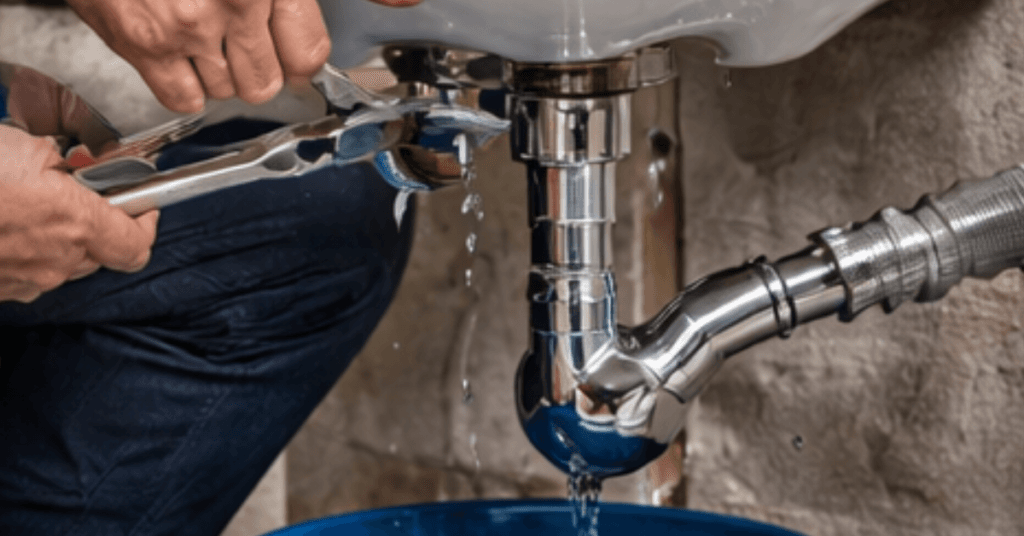
Older homes throughout Central Oregon offer charm, durability, and architectural character. However, they also come with unique challenges, especially when winter temperatures drop below freezing. One of the most serious threats to aging plumbing systems is frozen pipes, which can burst, lead to severe water damage, and cost thousands in emergency repairs.
The good news: homeowners can take proactive, science-supported steps to prevent frozen pipes long before temperatures dip. This guide outlines the most effective strategies, backed by trusted industry and government sources, and provides winter-ready solutions that older homes need most.
For professional winter plumbing support in Central Oregon, visit Einstein Pros.
Why Older Homes Are at Higher Risk
While any home can experience frozen pipes, properties built prior to the 1980s are particularly vulnerable due to:
- Limited or outdated insulation
- Pipes installed in exterior walls or crawl spaces
- Aging plumbing materials
- Air leaks around foundations and siding
- Poor access to pipes for maintenance
Understanding where vulnerabilities exist is the first step toward prevention.
How Frozen Pipes Form
When water inside a pipe reaches 32°F (0°C), it begins to freeze and expand. According to research from the American Red Cross, this expansion creates intense pressure that can cause pipes to rupture—not necessarily at the freeze point, but elsewhere along the line.
Because older homes often have higher exposure to cold air, pipes freeze faster and more frequently if not properly insulated or protected.
1. Improve Pipe Insulation in Vulnerable Areas
Insulating exposed pipes is one of the most effective and affordable ways to reduce freeze risk. According to the U.S. Department of Energy, proper pipe insulation can significantly minimize heat loss and prevent freezing in unheated or poorly insulated areas.
For older homes, focus on:
- Crawl spaces
- Basements
- Attics
- Garages
- Exterior walls
- Under sinks located against outside walls
Use foam pipe sleeves, fiberglass insulation, or heat tape (UL-listed only).
2. Seal Air Leaks to Maintain Indoor Heat
Even small drafts can expose pipes to freezing temperatures. Older homes often suffer from gaps in:
- Foundation walls
- Basement windows
- Sill plates
- Crawlspace vents
- Exterior doors
The EPA recommends sealing air leaks as part of overall home efficiency, and this protection extends to plumbing systems as well. Use caulk, weatherstripping, and spray foam to close openings and retain warm air around plumbing lines.
3. Maintain a Consistent Indoor Temperature
The American Red Cross recommends keeping the thermostat set to at least 55°F, even when away from home. In older homes, where insulation may be uneven, maintaining indoor warmth is critical.
Open cabinet doors under kitchen and bathroom sinks to allow warm air to circulate around plumbing.
4. Let Faucets Drip During Extreme Cold
Allowing a slight drip of cold water helps prevent freezing by keeping water moving through the pipes. Homes & Gardens explains that even minimal flow reduces pressure buildup inside pipes and lowers the chance of rupture.
Focus dripping on:
- Exposed pipes
- Plumbing near exterior walls
- Areas with known cold drafts
5. Upgrade or Relocate Problematic Plumbing
In older homes, re-routing exposed pipes can dramatically lower freeze risk. Pipes originally installed in exterior walls may be moved inward or enclosed in insulated channels.
Potential upgrades include:
- Replacing outdated galvanized steel pipes
- Installing frost-proof hose bibbs
- Adding pipe heating cables
- Rebuilding insulation around crawl spaces
These improvements not only prevent freezing but also extend the life of aging plumbing.
6. Keep Crawl Spaces and Basements Warm
Crawl spaces in older homes often lack insulation or proper sealing, making them prime locations for frozen pipes. Adding insulation or installing insulated crawlspace access covers can retain heat.
The Department of Energy outlines effective methods for improving home insulation performance, which apply directly to winter pipe protection:
7. Conduct Regular Leak and Weakness Checks
Frozen pipes often reveal underlying plumbing weaknesses, including hairline cracks, corrosion, or aging joints. The EPA WaterSense program highlights the importance of identifying and repairing leaks early to reduce long-term damage.
In older homes, annual inspections are strongly recommended before the winter season.
8. Know the Warning Signs of a Frozen Pipe
Common indicators include:
- No water flow from faucets
- Frost visible on pipes
- Strange odors coming from drains
- Bulging or ice-covered pipe sections
Immediate action can prevent a costly burst.
Final Thoughts
Frozen pipes are preventable, especially when homeowners take proactive steps designed specifically for older homes. Targeting insulation upgrades, sealing air leaks, maintaining consistent heat, and monitoring vulnerable areas can significantly reduce the risk of winter plumbing disasters.
For expert winterization or frozen pipe prevention solutions in Central Oregon, rely on the trusted professionals at Einstein Pros.