
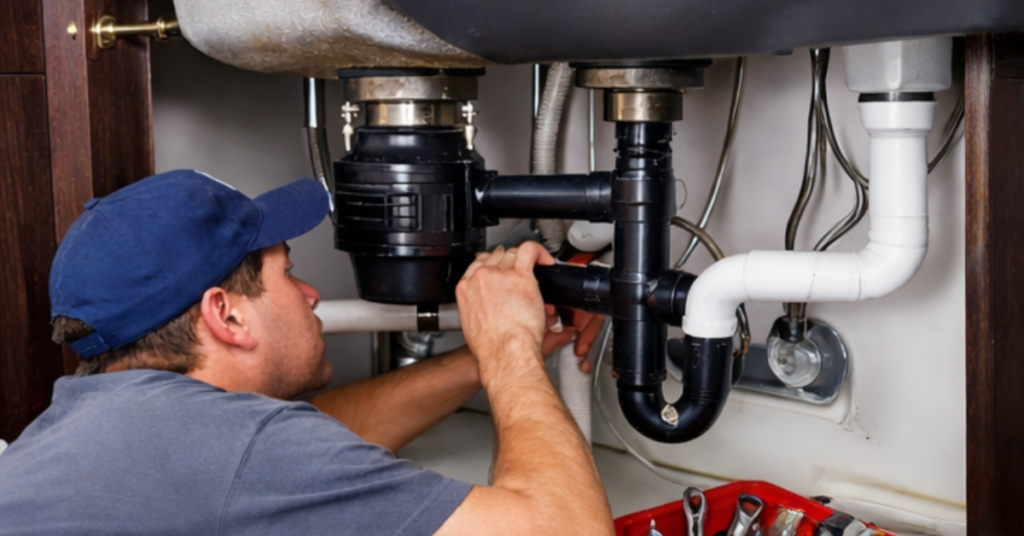
A failing water heater is more than an inconvenience—it disrupts your daily routine, increases energy bills, and can even cause water damage if left unchecked. Many Tacoma homeowners experience recurring water heater issues due to a combination of climate conditions, aging infrastructure, and maintenance habits.
Understanding why your water heater keeps failing is the first step toward preventing costly repairs and ensuring a reliable hot water supply.
For reliable diagnosis and long-term solutions, visit Einstein Pros Tacoma Plumbing.
Common Reasons Your Water Heater Keeps Failing
1. Sediment Buildup in the Tank
One of the most frequent causes of water heater failure is sediment accumulation. Tacoma’s water supply contains naturally occurring minerals that settle at the bottom of your tank over time.
As sediment builds up, it creates a barrier between the heating element and the water, forcing your system to work harder. This leads to overheating, reduced efficiency, and eventually, system failure.
According to the U.S. Department of Energy, sediment buildup can significantly reduce a water heater’s efficiency and lifespan if not flushed regularly.
2. Aging Water Heater System
Most traditional tank water heaters last between 8 to 12 years. If your system is nearing or exceeding this range, recurring issues are often a sign that replacement—not repair—is the smarter investment.
Older systems are more prone to:
- Internal corrosion
- Reduced heating efficiency
- Frequent leaks
- Component breakdown
Ignoring age-related wear can lead to sudden and complete failure.
3. Faulty Thermostat or Heating Elements
If your water temperature fluctuates or never gets hot enough, the issue may lie with the thermostat or heating elements.
Electric water heaters rely on heating elements that can burn out over time, while gas systems may experience issues with the burner or pilot light. These components naturally degrade and require periodic replacement.
4. High Water Pressure
Excessively high water pressure is a hidden culprit behind many plumbing failures, including water heaters.
When pressure is too high, it stresses the tank and internal components, increasing the likelihood of leaks or ruptures. The Environmental Protection Agency notes that maintaining proper water pressure is critical for protecting plumbing systems and appliances.
5. Corrosion and Rust
Corrosion inside your water heater tank is a serious issue that often leads to leaks and system failure. While most tanks are equipped with an anode rod to prevent rust, this component wears out over time.
Once the anode rod is depleted, the tank itself begins to corrode—often beyond repair.
Signs of corrosion include:
- Rust-colored water
- Metallic taste or odor
- Visible rust on tank fittings
6. Poor Installation or Incorrect Sizing
If your water heater was improperly installed or is the wrong size for your home, it may struggle to meet demand.
An undersized unit will constantly overwork, leading to premature wear. On the other hand, improper installation can cause ventilation issues, pressure imbalances, or safety hazards.
7. Lack of Routine Maintenance
Routine maintenance is essential to extending the life of your water heater. Without regular inspections, small issues can quickly escalate into major failures.
Basic maintenance includes:
- Annual tank flushing
- Checking the anode rod
- Inspecting valves and connections
- Testing pressure relief systems
Skipping these steps significantly increases the risk of breakdowns.
Warning Signs Your Water Heater Is About to Fail
Recognizing early warning signs can help you avoid unexpected outages:
- Inconsistent or no hot water
- Strange noises (popping or rumbling)
- Water discoloration
- Leaks around the tank
- Rising energy bills
If you notice any of these issues, it’s best to address them immediately before they worsen.
Tacoma-Specific Factors That Impact Water Heaters
Tacoma homeowners face unique challenges that can accelerate water heater problems:
Mineral Content in Water
Local water conditions can contribute to faster sediment buildup, making regular flushing even more important.
Seasonal Temperature Changes
Cold weather increases demand on water heaters, forcing them to work harder and exposing existing weaknesses.
Older Housing Infrastructure
Many homes in Tacoma have aging plumbing systems, which can affect water pressure and overall performance.
How to Prevent Water Heater Failure
Preventative care is the most effective way to avoid repeated breakdowns.
Schedule Regular Maintenance
Annual inspections and flushing can dramatically extend your system’s lifespan.
Replace the Anode Rod
Swapping out the anode rod every few years helps prevent corrosion inside the tank.
Monitor Water Pressure
Installing a pressure regulator ensures your system operates within safe limits.
Upgrade When Necessary
If your unit is over a decade old and frequently failing, upgrading to a newer, energy-efficient model can save money long-term.
When to Call a Professional
While some minor maintenance tasks can be handled by homeowners, persistent issues require expert attention.
If your water heater:
- Breaks down repeatedly
- Shows signs of corrosion or leaking
- Fails to provide consistent hot water
It’s time to consult a trusted local expert.
For reliable diagnosis and long-term solutions, visit
Einstein Pros Tacoma Plumbing:
https://einsteinpros.com/tacoma-wa-plumber/
Final Thoughts
A failing water heater is often the result of multiple underlying issues rather than a single defect. By understanding the common causes—such as sediment buildup, aging components, and lack of maintenance—Tacoma homeowners can take proactive steps to prevent costly repairs and extend the life of their systems.
Consistent upkeep, early detection, and professional support when needed are key to ensuring your water heater remains dependable year-round.
Sources
- U.S. Department of Energy – Water Heating Maintenance and Efficiency
https://www.energy.gov/energysaver/water-heating - U.S. Environmental Protection Agency – Water Pressure and Plumbing Systems
https://www.epa.gov/watersense - International Association of Certified Home Inspectors – Water Heater Lifespan and Maintenance
https://www.nachi.org/water-heater-inspection.htm - Family Handyman – Common Water Heater Problems and Fixes
https://www.familyhandyman.com/list/water-heater-repair/