
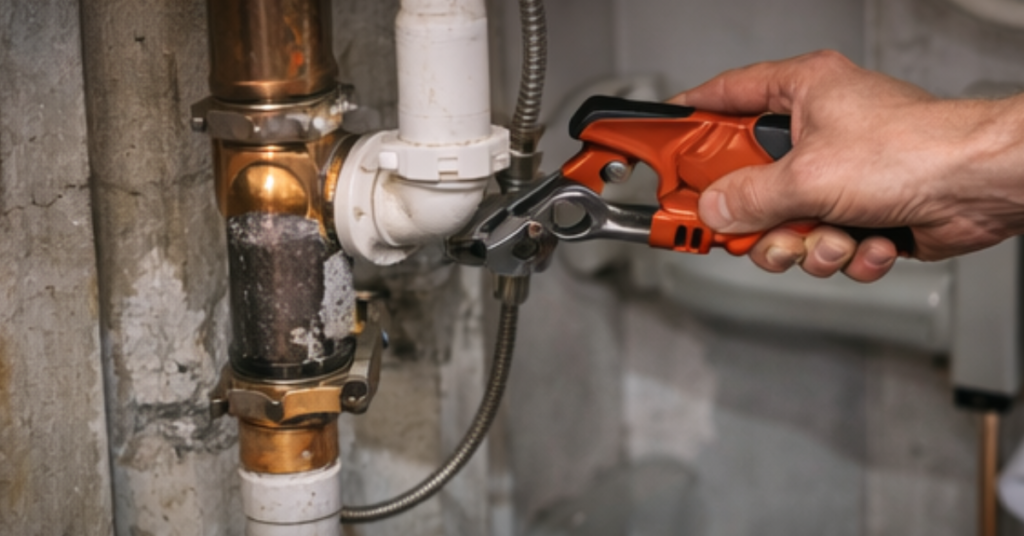
Your water heater is one of the most essential systems in your home, especially in Central Oregon where colder temperatures can put extra strain on plumbing systems. Unfortunately, many homeowners don’t realize their unit is failing until they’re stuck with ice-cold water or a major leak.
Recognizing the early warning signs can save you from expensive repairs, water damage, and unexpected emergencies. Below are the top 10 signs your water heater may be about to fail—and what you should do next.
1. Inconsistent Water Temperature
If your hot water suddenly fluctuates between hot and cold, your water heater could be struggling. This is often caused by sediment buildup inside the tank or a failing heating element.
According to the U.S. Department of Energy, sediment accumulation reduces efficiency and can lead to premature system failure.
2. Rusty or Discolored Water
When you notice brown or rusty water coming from your hot water tap, it could indicate corrosion inside your tank. Over time, the internal lining deteriorates, allowing rust to form.
The Environmental Protection Agency (EPA) highlights that discolored water can also signal pipe or tank degradation that should be addressed immediately.
3. Strange Noises Coming from the Tank
Popping, rumbling, or banging sounds are not normal. These noises are typically caused by hardened sediment at the bottom of the tank heating and expanding.
As explained by Energy Saver by the U.S. Department of Energy, this buildup forces your system to work harder, increasing wear and tear.
4. Reduced Hot Water Supply
If your showers are getting shorter or you’re running out of hot water faster than usual, your water heater may be losing capacity. This is often due to sediment taking up space in the tank or aging components.
This is a common issue in areas like Central Oregon, where mineral-heavy water can accelerate buildup.
5. Water Leaks Around the Unit
Any visible moisture or pooling water around your heater is a serious warning sign. Leaks often indicate internal tank fractures or failing connections.
The Centers for Disease Control and Prevention (CDC) warns that water system leaks can quickly escalate into health and safety risks if not addressed.
If you notice this, it’s critical to act fast and contact a professional like Einstein Pros Central Oregon before the issue worsens.
6. Age of the Water Heater
Most traditional tank water heaters last between 8 to 12 years. If your unit is approaching or exceeding this range, it’s at higher risk of failure.
You can check the manufacturer’s label to determine the installation date or consult guidance from Energy.gov for lifespan expectations.
7. Rising Energy Bills
A failing water heater often becomes less efficient, consuming more energy to produce the same amount of hot water.
The U.S. Department of Energy’s home energy resources emphasize that inefficient appliances are a major contributor to increased utility costs.
If your bills are climbing without a clear reason, your water heater could be the culprit.
8. Low Water Pressure
Mineral buildup and internal corrosion can restrict water flow, leading to reduced pressure when using hot water.
This is particularly common in Central Oregon due to naturally occurring minerals in the water supply. Over time, these deposits clog pipes and reduce performance.
9. Frequent Repairs
If you’ve had to repair your water heater multiple times in the past year, it’s likely nearing the end of its lifespan.
Rather than continuing to invest in temporary fixes, it may be more cost-effective to replace the unit entirely. A professional evaluation from Einstein Pros Central Oregon can help determine the best course of action.
10. Visible Corrosion on the Tank
Rust or corrosion on the outside of your water heater is a clear indication that internal damage may already be present.
According to InterNACHI (International Association of Certified Home Inspectors), visible corrosion is often a late-stage warning sign that replacement is imminent.
Why Central Oregon Homes Are More at Risk
Homes in Central Oregon face unique challenges that can shorten the lifespan of water heaters:
- Hard water with high mineral content
- Seasonal temperature fluctuations
- Increased demand during colder months
These factors make regular maintenance and early detection even more important.
What You Should Do Next
If you’ve noticed one or more of these warning signs, don’t wait for a complete system failure. Acting early can:
- Prevent costly water damage
- Improve energy efficiency
- Ensure consistent hot water supply
Scheduling a professional inspection with Einstein Pros Central Oregon ensures your system is properly diagnosed and repaired or replaced if necessary.
Final Thoughts
A failing water heater rarely happens without warning. By paying attention to these early signs, you can avoid emergency situations and make informed decisions about repair or replacement.
Routine maintenance, awareness of changes in performance, and working with a trusted local expert like Einstein Pros Central Oregon will help keep your home comfortable and your plumbing system running efficiently year-round.
Sources:
U.S. Department of Energy – Water Heating Basics
https://www.energy.gov/energysaver/water-heating
U.S. Environmental Protection Agency – Drinking Water Information
https://www.epa.gov/ground-water-and-drinking-water/basic-information-about-lead-drinking-water
U.S. Department of Energy – Home Energy Efficiency
https://www.energy.gov/eere/buildings/home-energy-audits