
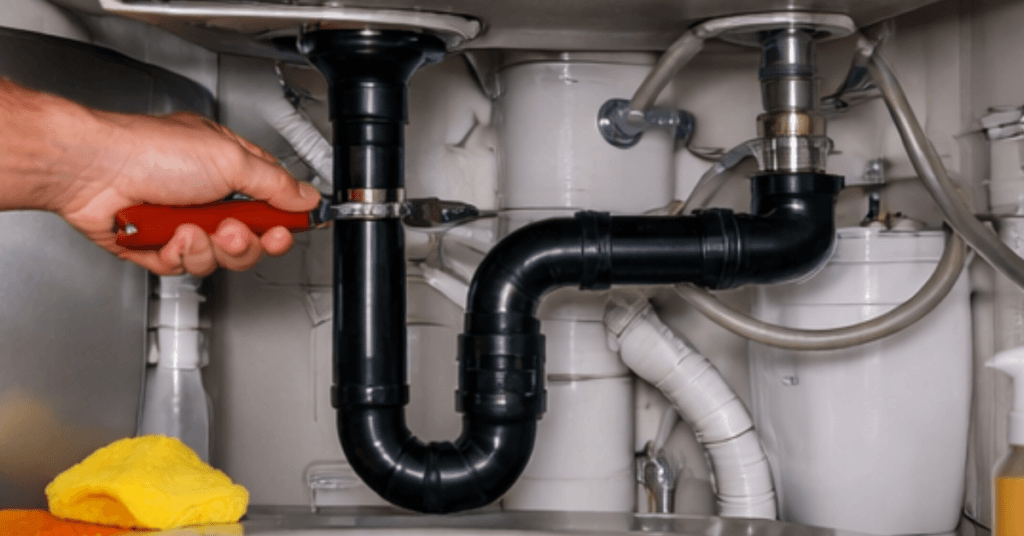
Winter in Central Oregon brings beautiful snow, crisp air, and the very real risk of frozen or burst pipes. Protecting your home’s plumbing system during freezing temperatures isn’t just a suggestion—it’s a must. At Einstein Pros Central Oregon Plumbing, we know how damaging winter weather can be if your plumbing isn’t properly prepared. In this guide, we share expert winter plumbing tips to help you prevent costly repairs and enjoy peace of mind all season long.
Why Winter Plumbing Preparedness Matters
Plumbing systems are highly vulnerable when temperatures drop below freezing. Water expands as it freezes, which can cause pipes to crack or burst, leading to expensive repairs, water damage, and safety hazards. According to AAA Oregon/Idaho, even small cracks can lead to hundreds of gallons of water leakage per day if a pipe bursts. AAA Oregon/Idaho
Proper winter preparation minimizes these risks, keeping your home comfortable and safe throughout the season.
1. Identify Vulnerable Pipes
Start by identifying plumbing that is at the greatest risk during cold weather:
- Pipes in unheated areas such as crawl spaces, attics, garages, and basements
- Pipes near exterior walls
- Outdoor faucets and hose bibs
These spots should receive priority attention because they’re the most likely to experience freezing temperatures.
2. Insulate Exposed Pipes
One of the most effective ways to prevent freezing is by insulating exposed plumbing. Wrapping pipes with foam insulation or heat tape helps maintain warmth and slows down heat transfer to the cold air. This strategy is particularly valuable for pipes in unheated spaces. Angi
If you have pipes running through crawl spaces, consider sealing vents to block cold drafts and improve warmth retention. Portland.gov
3. Disconnect and Drain Outdoor Hoses
Outdoor garden hoses and exterior spigots are among the first plumbing features to freeze. Before the cold weather hits:
- Disconnect all hoses
- Drain them completely
- Store them indoors or in a garage
Leaving water in hoses or spigots can trap moisture that freezes and expands, damaging both the hose and the connected pipe. Portland.gov
4. Winterize Outdoor Faucets
In addition to removing hoses, you should winterize your outdoor faucets:
- Shut off the water supply to exterior faucets, if there’s an indoor shutoff valve
- Open the outdoor faucet to drain remaining water
- Cover the faucet with foam or insulating covers after draining
These steps greatly reduce the potential for ice inside your pipes. Portland.gov
5. Maintain Indoor Heat (Even When You’re Away)
Keeping your home at a consistent temperature throughout winter is essential. Even a slight drop below freezing can put your pipes at risk. Experts recommend setting your thermostat no lower than 55°F, even if you’re away for a few days. Budget Home Supply
Allowing heat to circulate prevents cold spots that contribute to frozen pipes.
6. Let Faucets Drip During Freezing Nights
When temperatures plunge well below freezing, letting a faucet drip slightly can help prevent pipe freeze. The continuous flow of water, even at a trickle, reduces the chances of pipe pressure building up between ice blockages—which is the common cause of bursts. Angi
This tip is especially useful for faucets connected to plumbing along exterior walls.
7. Open Cabinet Doors Under Sinks
Warm air from your home’s heating system doesn’t always reach enclosed spaces. Opening cabinet doors under sinks—especially those against exterior walls—lets warm air circulate around vulnerable pipes, helping prevent freezing. Angi
Just be sure to keep harmful chemicals and cleaning supplies out of reach of children and pets.
8. Know Where Your Main Water Shutoff Valve Is
Even with preparation, freezing and bursting can still happen. That’s why knowing the location of your main water shutoff valve is critical. Should a pipe burst:
- Shut off the main water supply
- Call Einstein Pros Central Oregon Plumbing immediately
- Begin drying and cleanup to minimize potential water damage
Regularly testing your shutoff valve ensures it works when you need it most. Angi
9. Seal Cracks and Gaps in Walls and Floors
Cold drafts make pipes more susceptible to freezing. Inspect areas where plumbing enters your home and seal cracks or gaps around pipes, windows, and exterior doors. Simple solutions like caulking and weatherstripping can dramatically improve insulation.
10. Insulate Crawl Spaces and Basement Areas
Unheated crawl spaces and basements are some of the coldest spots in a home. Adding insulation in these areas helps maintain a higher ambient temperature around pipes. Consider foam boards or spray insulation for long-term protection. Angi
Einstein Pros: Your Winter Plumbing Partner
Winter plumbing issues don’t have to ruin your season. If you ever suspect frozen pipes, detect leaks, or need professional plumbing assistance, trust Einstein Pros Central Oregon Plumbing to respond quickly and expertly. We’re your local plumbing professionals committed to keeping Central Oregon homes protected, comfortable, and leak‑free.
Conclusion
Taking proactive steps now can prevent a winter plumbing emergency later. From insulating pipes to maintaining indoor temperatures and shutting off outdoor spigots, these winter plumbing tips are designed to save you time, money, and stress.
For reliable, local plumbing expertise throughout winter and the rest of the year, choose Einstein Pros Central Oregon Plumbing—your trusted partner in home protection.