
Every spring, many Tacoma homeowners notice their water doesn’t flow with the same force it did in winter. A drop in water pressure can range from a mild annoyance (like slower shower flow) to serious concerns, especially if it affects daily tasks like bathing, laundry, or dishwashing. Understanding the common causes and what’s unique about spring conditions helps homeowners diagnose issues quickly and take smart action.
When investigating persistent low water pressure, it’s always wise to consult professionals like Einstein Pros Plumbing — Tacoma (https://einsteinpros.com/tacoma-wa-plumber/) for a precise assessment.
Understanding Water Pressure Basics
Water pressure is generally measured in pounds per square inch (PSI). Most homes function best with water pressure between 40–60 PSI. Below this range, faucets feel like a trickle; above it, pipes and fixtures can wear prematurely. The pressure entering your home depends on multiple factors — from municipal supply dynamics to the condition of your indoor plumbing system.
Common Causes of Low Water Pressure in Spring
1. Seasonal Changes in Water Demand
As the weather warms, outdoor irrigation systems, gardens, and lawn sprinklers start running. This increased draw on the municipal supply can temporarily reduce pressure felt at individual homes — especially during morning and evening peak usage times. Even simple activities like filling pools or washing cars can contribute to noticeable pressure drops across a neighborhood during spring.
2. Municipal Water Supply Maintenance
Cities and utilities periodically conduct maintenance on water mains and pressure regulators, often more intensively in spring after winter’s wear and tear. Services like flushing water mains or repairing broken lines can temporarily interrupt or lower water pressure for connected homes. Neighbors experiencing the same issues nearly simultaneously can be a sign of supply-side interruptions.
3. Pressure-Reducing Valve (PRV) Issues
Almost every home has a pressure-reducing valve, installed where the main water line enters the property. This device ensures household plumbing gets water at a safe level. However, over time, PRVs can wear, corrode, or loosen, resulting in reduced incoming pressure throughout the home. Symptoms often include low pressure at all faucets and fixtures.
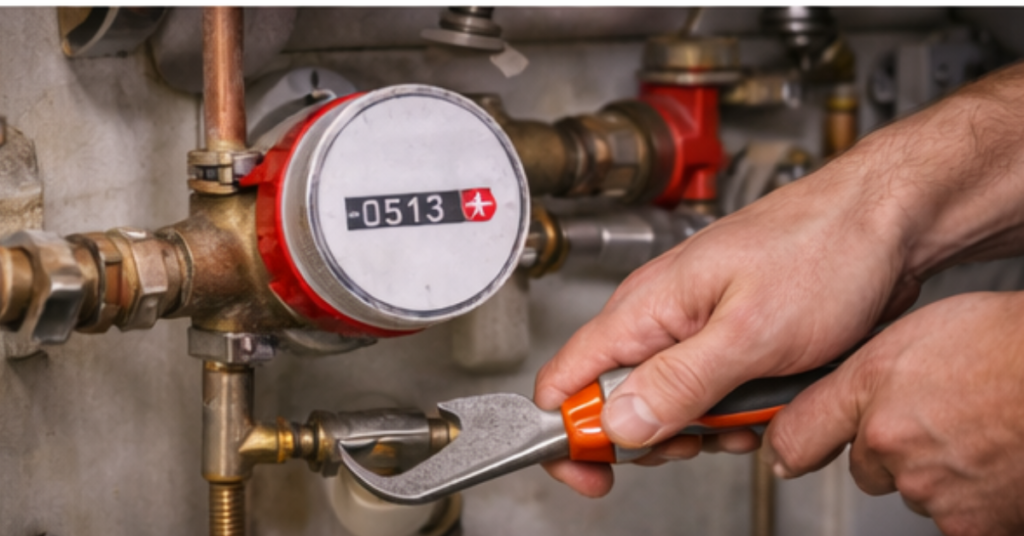
4. Partially Closed Main Shutoff or Meter Valve
Work done in winter or early spring on plumbing or municipal meters sometimes leaves valves not fully open. Even a slightly closed main shutoff can significantly limit the water allowed into your home, and most homeowners overlook this simple but impactful cause.
5. Corrosion, Mineral Build-Up, or Pipe Clogs
Although Tacoma’s water isn’t especially hard compared to some regions, mineral deposits and corrosion are still common in older homes. Over years, minerals accumulate inside pipes — narrowing the interior diameter and restricting flow. This results in noticeably reduced pressure, especially when demand increases.
6. Hidden Leaks Reducing Flow
Water leaks — whether in visible plumbing or in hidden pipe sections behind walls or underground — divert water away from fixtures. Even small leaks can lower pressure throughout your plumbing system. Spring ground thaws can sometimes expose or exacerbate hidden water line breaks that occurred over the winter.
7. Old or Undersized Plumbing
Older Tacoma homes, especially those built before mid‑20th century, may still have outdated or undersized pipes. Narrow or deteriorating pipe systems struggle to deliver adequate pressure when demand increases in warmer months. This is compounded when multiple fixtures are used simultaneously.
8. Shared Supply Lines and Peak Usage Times
Many Tacoma neighborhoods have interconnected water line systems. During peak spring usage — such as mornings and evenings — pressure can temporarily drop simply because many homes draw water at once from the same supply loop.
When Spring Low Pressure Becomes Concerning
While some fluctuation is normal with changes in seasonal demand, there are signs that pressure loss might point to a more serious issue:
- Pressure steadily deteriorates over weeks rather than temporary dips.
- Pressure feels low at all fixtures, not just a few.
- Neighbors are unaffected while your home alone has low pressure — possibly indicating an internal issue.
- Visible changes like discolored water or soggy lawns without obvious explanation.
If you observe these patterns, it’s advisable to investigate thoroughly with a professional.
Steps Tacoma Homeowners Can Take
- Check the Main Shutoff Valve:
Ensure it and the meter valve are fully open. - Test Pressure at an Outdoor Spigot:
A simple PSI gauge (available at hardware stores) can help you quantify pressure. - Inspect Fixtures for Blockages:
Clean aerators or showerhead screens for mineral buildup. - Check Peak Usage Patterns:
Note when pressure drops (e.g., morning vs. night) to identify demand‑related issues. - Consult Experts When Needed:
For persistent or unexplained pressure loss, professional assessment is key — for example by Einstein Pros Plumbing — Tacoma (https://einsteinpros.com/tacoma-wa-plumber/).
Conclusion
Low water pressure in Tacoma homes during spring is often a blend of seasonal demand changes, municipal maintenance, and internal plumbing conditions. While some fluctuations are routine, persistent or significant pressure loss deserves careful attention to avoid inconvenience and potential damage. By understanding the causes and knowing when to look deeper, Tacoma homeowners can maintain comfortable, reliable water flow throughout the year.
If you’re dealing with ongoing low water pressure this spring or need a detailed diagnosis, reach out to the trusted experts at https://einsteinpros.com/tacoma-wa-plumber/ for reliable support.
Sources:
PHCC pressure issues explained — https://www.phccweb.org/
Water quality basics (CDC) — https://www.cdc.gov/healthywater/