
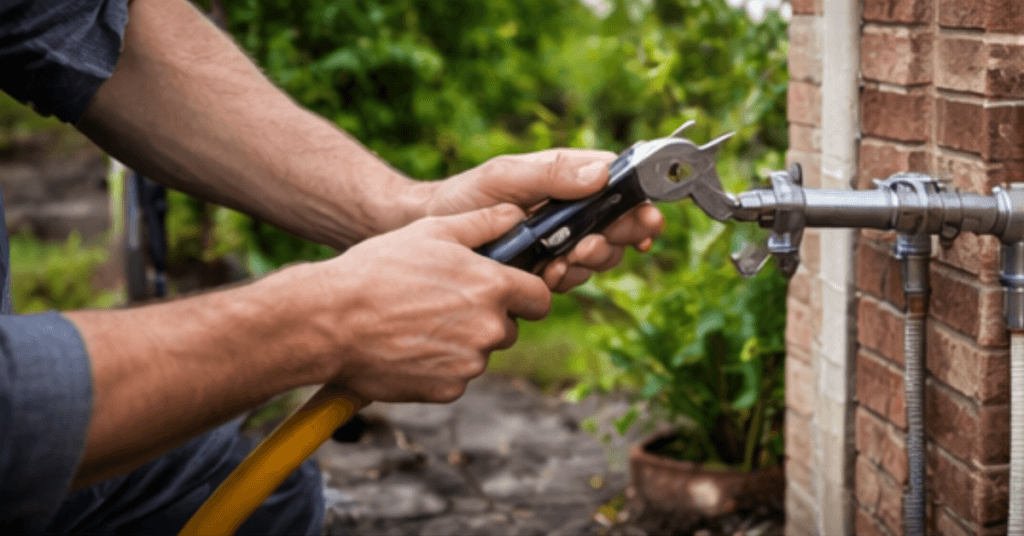
Winter in Central Oregon can be beautiful — until your plumbing freezes. Frozen pipes are more than just an inconvenience: they can burst and cause major water damage, costing homeowners thousands of dollars in repairs. The good news? With proactive planning and the right steps, you can protect your home’s plumbing throughout the cold season.
At Einstein Pros Central Oregon Plumbing, we specialize in helping homeowners avoid plumbing emergencies. This guide breaks down practical, expert‑backed strategies to prevent frozen pipes before the temperature drops.
Why Pipes Freeze
Pipes freeze when water inside drops to 32°F (0°C) or below. When water freezes it expands, exerting pressure that can crack or burst pipes — especially in vulnerable areas like exterior walls, crawl spaces, basements, and unheated garages. Once pipes burst, the resulting damage can be expensive and disruptive.
Understanding common risk areas and seasonal habits sets you up to avoid frozen and potentially burst pipesaltogether. Reliable preventative steps can save you headaches and costly repairs.
1. Keep Your Home Warm
One of the most effective defenses against frozen pipes is maintaining a consistent indoor temperature. Don’t lower your thermostat drastically at night or when you’re away. Most experts recommend keeping your thermostat set no lower than 55°F (13°C) during freezing weather. This helps heat reach pipes running through walls and unheated spaces.
If you leave town during winter, keeping a low, steady heat level can make the difference between normal plumbing and a burst pipe disaster.
2. Insulate Vulnerable Pipes
Exposed pipes in unheated areas are especially prone to freezing. Insulation helps trap heat and reduce heat loss:
- Use foam pipe insulation sleeves or wrap pipes with heat tape or heating cable.
- Focus on locations like attics, basements, crawl spaces, and exterior walls.
- Make sure insulation pieces fit securely and cover exposed lengths of pipe.
Proper insulation adds a barrier against freezing temperatures and is one of the most effective proactive steps you can take.
3. Seal Cracks and Drafts
Cold air infiltration around doors, windows, or wall gaps can lower temperatures in adjacent plumbing areas. Seal these openings with:
- Caulking
- Weatherstripping
- Spray foam insulation
Sealing drafts keeps warmer air in and cold air out — protecting pipes that run along exterior walls or through crawl spaces.
4. Let Faucets Drip on Very Cold Nights
If extreme cold is expected (especially overnight), let a faucet drip slowly. Moving water doesn’t freeze as easily as still water, which reduces pressure buildup inside pipes — one of the main causes of bursts. Aim for a small, steady trickle rather than a full stream.
This method is especially useful for faucets connected to pipes along exterior walls or in colder parts of your home.
5. Open Cabinet Doors Under Sinks
Kitchen and bathroom sinks often have water lines routed against exterior walls. Opening the cabinet doors under these sinks allows warm indoor air to circulate around the pipes, keeping them at safer temperatures. This simple step can make a big difference on cold nights.
6. Disconnect Outdoor Hoses and Winterize Spigots
Outdoor faucets and hoses are vulnerable to freezing, and the pressure from ice can travel into indoor pipes. Before winter hits:
- Disconnect garden hoses and store them indoors.
- Shut off water to exterior faucets if possible and drain the lines.
- Consider installing foam faucet covers for extra protection.
These steps prevent residual outdoor water from freezing and potentially causing pipes to crack.
7. Keep Garage Doors Closed
If you have water supply lines running through your garage, keep the garage door closed to help maintain warmer temperatures. Garages can quickly become cold enough to freeze pipes, so minimizing exposure is vital.
8. Know Where Your Main Shut‑Off Valve Is
Even with the best preventative care, issues can occur. Knowing the location of your main water shut‑off valve allows you to quickly turn off water in an emergency and limit damage. Practice locating and using this valve before winter arrives.
9. Consider Professional Pipe Inspections
If your plumbing runs through especially cold or hard‑to‑access areas, scheduling a professional inspection with Einstein Pros Central Oregon Plumbing can help identify vulnerabilities and winterize your home’s pipes before temperatures plunge.
Professional plumbers can evaluate insulation levels, check for draft exposure, and recommend solutions tailored to your home’s layout.
Don’t Wait Until It’s Too Late
Frozen pipes can happen suddenly and without much warning. The best strategy is preparation — taking steps early in the season to fortify your home’s plumbing system. By keeping your house warm, adding insulation, sealing drafts, and using targeted prevention methods, you significantly reduce your risk of frozen pipes and the expensive damage that can follow.
If you want peace of mind this winter, contact Einstein Pros Central Oregon Plumbing for expert winter plumbing advice, inspections, or preventative services. Our team is ready to help keep your home comfortable and protected throughout the season.
Want More Help?
For personalized winter plumbing preparation or emergency support, reach out to Einstein Pros Central Oregon Plumbing directly for trusted guidance tailored to your home.
Source:
American Red Cross – Frozen Pipe Prevention
U.S. Department of Energy – Water Heater Basics
Environmental Protection Agency (EPA) – WaterSense