
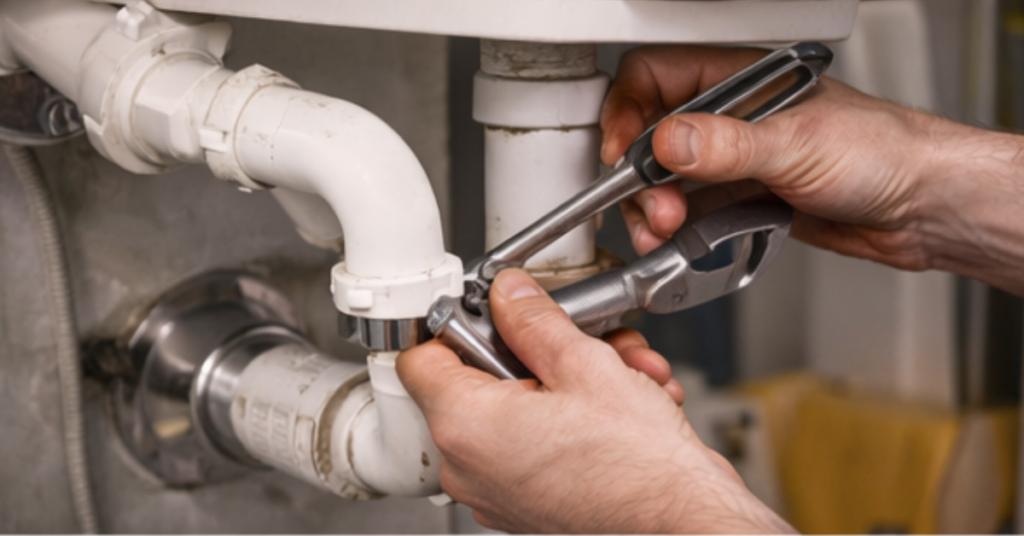
Plumbing emergencies can happen without warning—burst pipes, overflowing toilets, sudden leaks, or a failing water heater. For homeowners in Central Oregon, these issues can quickly escalate due to temperature fluctuations, aging infrastructure, and seasonal weather changes. Knowing what to do in the critical moments before professional help arrives can significantly reduce damage, save money, and protect your home.
This guide walks you through practical, expert-backed steps to take during a plumbing emergency while you wait for a licensed technician from Einstein Pros Plumbing.
Step 1: Shut Off the Water Immediately
The first and most important step in any plumbing emergency is stopping the flow of water. Locate your home’s main water shut-off valve—typically found in a basement, crawl space, garage, or near the perimeter of your home.
Turning off the water quickly can prevent flooding, structural damage, and mold growth. According to the U.S. Environmental Protection Agency (EPA), even a small leak can waste thousands of gallons of water annually, making fast action critical.
If the issue is isolated (like a toilet or sink), you may only need to shut off the local valve near the fixture.
Step 2: Turn Off the Water Heater
If your emergency involves hot water—such as a leaking or malfunctioning water heater—you should turn off the unit to prevent pressure buildup or overheating.
- For electric water heaters: switch off the breaker
- For gas units: turn the gas supply valve to the “off” position
This reduces the risk of damage and potential safety hazards. The U.S. Department of Energy recommends shutting down water heaters during leaks to avoid system failure and energy waste.
Step 3: Address Electrical Hazards
Water and electricity are a dangerous combination. If water is leaking near outlets, appliances, or your breaker panel, do not step into standing water.
Instead:
- Shut off power at the main breaker (if safe to do so)
- Avoid touching wet electrical devices
Safety should always come first. The U.S. Consumer Product Safety Commission warns that electrical hazards are a leading risk during household flooding events.
Step 4: Contain the Water
While waiting for your plumber to arrive, try to control and contain the water to minimize damage.
Use:
- Buckets or containers to catch leaks
- Towels or mops to absorb standing water
- Plastic sheeting if available to protect surfaces
If a pipe has burst, wrapping it temporarily with towels or tape can slow the leak. While this is not a permanent fix, it can help reduce immediate damage.
Step 5: Open Drains and Faucets
After shutting off your water supply, open faucets and drains throughout your home. This helps relieve pressure in the plumbing system and can reduce further leakage.
Pay special attention to:
- Lowest-level drains (such as basement sinks)
- Outdoor hose bibs
Relieving pressure is particularly important in colder climates like Central Oregon, where pipe stress from freezing and thawing cycles is common.
Step 6: Document the Damage
Before cleanup begins, take photos or videos of the affected areas. This documentation can be valuable for insurance claims and repair assessments.
Be sure to capture:
- Source of the leak
- Damaged flooring, walls, or belongings
- Water accumulation levels
The Insurance Information Institute recommends thorough documentation to streamline claims and ensure proper compensation.
Step 7: Avoid DIY Repairs That Can Make Things Worse
It may be tempting to attempt a quick fix, but improper repairs can worsen the problem and increase long-term costs.
Avoid:
- Using chemical drain cleaners in emergencies
- Attempting to replace pipes without proper tools
- Ignoring underlying issues
Instead, focus on damage control and wait for a trained professional from Einstein Pros Plumbing to properly diagnose and repair the issue.
Step 8: Call a Professional Emergency Plumber
Once immediate risks are under control, contact a licensed plumbing professional as soon as possible. Fast response times are critical to preventing further structural damage and restoring your home’s plumbing system.
A qualified technician will:
- Identify the root cause of the issue
- Perform safe, code-compliant repairs
- Ensure your system is functioning properly
Choosing a trusted local provider like Einstein Pros Plumbing ensures you receive reliable service tailored to Central Oregon homes and conditions.
Common Plumbing Emergencies in Central Oregon
Homeowners in this region frequently encounter:
- Frozen or burst pipes during colder months
- Hard water buildup affecting fixtures and appliances
- Sewer line backups due to soil conditions
- Aging plumbing systems in older homes
Understanding these common risks can help you act quickly and prevent future emergencies.
Preventing Future Plumbing Emergencies
While not all emergencies can be avoided, preventative maintenance significantly reduces risk.
Consider:
- Annual plumbing inspections
- Insulating exposed pipes
- Monitoring water pressure
- Installing leak detection systems
The EPA WaterSense Program highlights that proactive maintenance and efficient fixtures can prevent costly damage and conserve water.
Final Thoughts
A plumbing emergency can be stressful, but knowing what to do in those first critical moments makes all the difference. By shutting off water, addressing safety risks, and containing damage, you can protect your home while waiting for professional help.
For fast, dependable service in Central Oregon, trust Einstein Pros Plumbing to handle your emergency with expertise and care.
Taking the right steps now not only minimizes damage but also ensures your home returns to normal as quickly as possible.