
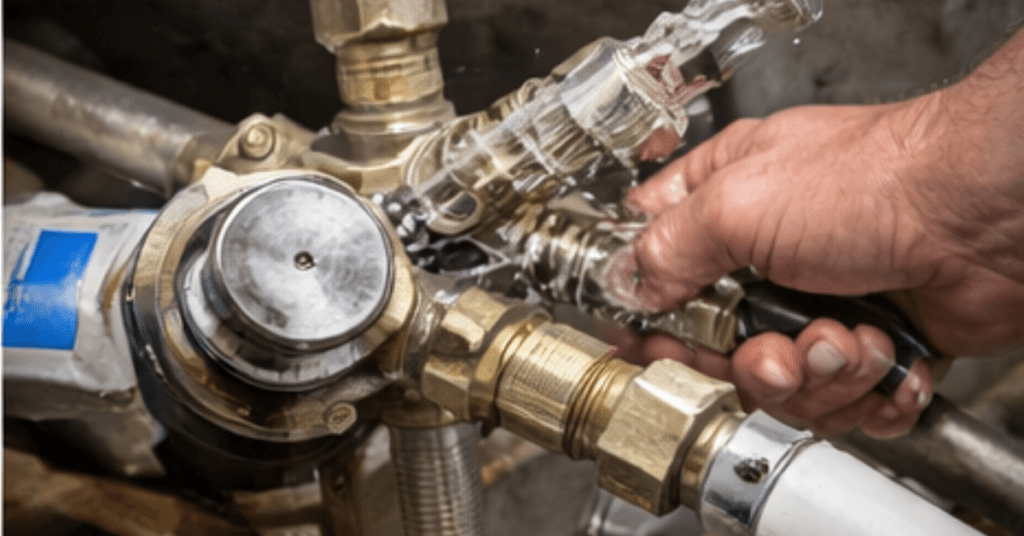
Regular plumbing maintenance doesn’t have to be complicated, risky, or time-consuming. With a few simple and safe DIY steps, homeowners can prevent leaks, protect pipes, extend the lifespan of plumbing fixtures, and avoid expensive emergencies. While certain issues should always be handled by licensed professionals, there are many routine tasks that homeowners can confidently manage on their own.
The goal of proper maintenance is to keep your home running smoothly and to catch small issues before they become severe. These tips are backed by trusted resources and industry-recognized practices, and you can always contact Einstein Pros for professional support when needed:
Understand Your Home’s Water Shut-Off System
Every homeowner should know the location of their home’s main water shut-off valve. This valve allows you to immediately stop water flow in case of a leak or burst pipe. Learning how to operate it takes less than a minute, and doing so can prevent thousands of dollars in damage.
The Environmental Protection Agency (EPA) emphasizes the importance of quickly addressing leaks to avoid water waste and home damage.
Shutting off the water is step one in any emergency, so it is worth verifying that your valve turns smoothly and isn’t obstructed.
Perform Routine Leak Checks
Small leaks often go unnoticed until they create visible damage. Fortunately, periodic visual inspections can help catch problems early. Check all the following areas at least once a month:
- Under sinks
- Behind toilets
- Around the water heater
- Near washing machine hoses
- Around refrigerator supply lines
The EPA’s WaterSense program provides a simple method to check for leaks and prevent water waste in your home.
Even a slow drip can increase your water bill significantly and worsen over time. Early detection is essential.
Keep Drains Clear the Safe Way
Avoid chemical drain cleaners whenever possible, as they can damage pipes and create hazardous fumes. Instead, use safer alternatives:
- A combination of hot water, baking soda, and vinegar
- A drain snake
- A sink plunger
- Hair traps in showers and tubs
Mechanical methods such as drain snakes are effective and won’t harm your plumbing. The Angi home maintenance guide offers additional safe preventative tips.
Keeping drains free of buildup is one of the easiest ways to prevent clogs before they occur.
Maintain Healthy Water Pressure
High water pressure may feel convenient, but it can stress fixtures, cause leaks, and reduce the lifespan of your plumbing system. Test your home’s water pressure using an inexpensive pressure gauge that attaches to an outdoor spigot.
Ideal water pressure is typically around 40–60 psi. If your pressure exceeds this range, a pressure-reducing valve (PRV) may be needed. Regular monitoring helps protect pipes and fixtures from unnecessary stress.
Flush Your Water Heater Annually
Mineral buildup inside the tank can reduce efficiency, increase energy costs, and shorten the lifespan of your water heater. Flushing the tank once a year removes sediment and helps maintain performance.
To safely flush your water heater:
- Turn off power or gas supply.
- Connect a hose to the drain valve.
- Run the water into a floor drain or outside.
- Refill and restart the heater.
The U.S. Department of Energy provides guidance on improving water heater performance and energy savings.
Regular flushing is one of the most effective ways to maintain your system.
Insulate Exposed Pipes
Pipe insulation is an inexpensive and effective DIY maintenance task. It helps prevent freezing in winter, reduces condensation in humid conditions, and improves hot water efficiency.
Insulate pipes in the following locations:
- Crawlspaces
- Garages
- Basements
- Under sinks
This simple step can help prevent winter pipe bursts and significantly reduce heat loss.
Maintain Toilet Components
Toilets rely on rubber seals and mechanical parts that wear down over time. Homeowners can safely check the flapper, fill valve, and handle mechanism. If a toilet runs continuously or fills intermittently, it may need a new flapper or adjustment.
These parts are inexpensive and easy to replace with basic tools. Performing routine checks can prevent unexpected water waste.
Inspect Outdoor Plumbing Areas
Outdoor fixtures and connections often take a beating from temperature changes. Perform routine checks for:
- Hose bib leaks
- Sprinkler line cracks
- Landscape irrigation issues
Before freezing temperatures, disconnect all hoses and consider insulated covers for outdoor spigots.
When DIY Is Not Enough
DIY maintenance is excellent for prevention and routine care, but major issues require professional assistance. If you encounter persistent leaks, sewer odors, slow drains throughout the home, water heater failure, or unexplained water pressure issues, contact a trusted professional.
For expert help in Central Oregon, you can reach out to Einstein Pros anytime.
Final Thoughts
Homeowners can safely handle many aspects of plumbing maintenance with the right approach. By routinely checking for leaks, maintaining drains, monitoring water pressure, and performing basic upkeep, you can extend the life of your plumbing system and prevent costly emergencies. These DIY tips, supported by reputable sources and industry best practices, ensure your home stays protected year-round.