
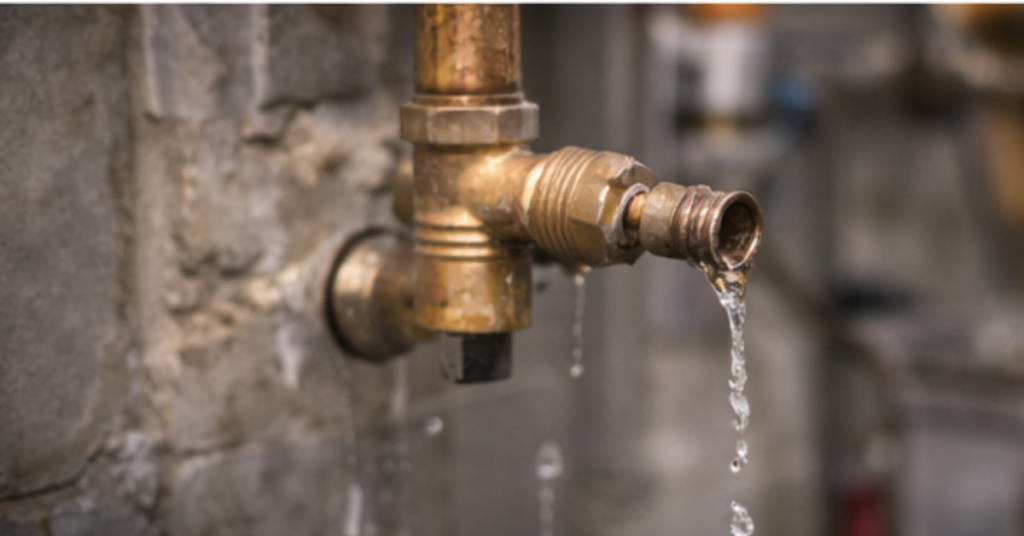
Small plumbing issues rarely feel urgent. A slow drip under the sink, a toilet that runs occasionally, or slightly reduced water pressure often get pushed to “later.” In Central Oregon homes, however, those minor symptoms frequently turn into expensive structural damage, water waste, and emergency repairs.
This case study breaks down how small issues escalate over time, what they typically cost Oregon homeowners, and why early intervention is one of the most effective ways to protect your property.
Why Small Plumbing Issues Become Expensive Fast
Plumbing systems are interconnected. A minor failure in one part of the system often creates pressure or moisture problems elsewhere. According to the U.S. Environmental Protection Agency, even small household leaks can waste nearly 10,000 gallons of water per year, significantly increasing utility costs and hidden damage risk.
Source: EPA Water Sense – Fix a Leak
In Oregon homes, the most common “small issues” that escalate include:
- Slow or unnoticed pipe leaks
- Running toilets
- Minor drain clogs
- Low water pressure
- Dripping faucets
- Aging water heaters with small performance issues
Individually, none seem urgent. Together, they can quietly damage flooring, drywall, insulation, and even a home’s foundation.
Central Oregon Case Study: What Started as a “Small Leak”
Initial Problem
A homeowner in Central Oregon noticed a faint water stain under a kitchen sink cabinet. There was no visible pooling water, only occasional dampness. It was dismissed as condensation.
What Actually Happened
Over the next 6–8 weeks:
- A small pipe joint leak worsened under pressure
- Cabinet wood began absorbing moisture
- Mold began forming behind the baseboard
- Water slowly migrated into the subfloor
By the time the issue was addressed, the repair scope had expanded significantly.
Cost Breakdown: Then vs Now
Early Intervention (Estimated Cost Range)
If addressed immediately, the issue would likely have involved:
- Minor pipe repair or replacement
- Simple cabinet drying and sealing
- Basic inspection
Estimated cost: $150 – $500
Delayed Intervention (Actual Outcome Range)
After weeks of damage:
- Cabinet replacement
- Mold remediation
- Subfloor repair
- Pipe system correction
- Drywall restoration
Estimated cost: $3,000 – $8,000+
The Hidden Costs Homeowners Don’t Expect
The financial burden of ignoring plumbing issues goes beyond repair invoices.
1. Water Damage Compounds Quickly
Water spreads through porous materials like wood and drywall. The longer it sits, the more extensive the repair area becomes.
2. Mold Growth Risks
According to the Centers for Disease Control and Prevention, mold can begin growing within 24–48 hours in damp conditions.
Source: CDC – Mold After a Disaster
3. Structural Degradation
Long-term leaks can weaken framing and subflooring, especially in older homes common throughout Oregon.
4. Increased Utility Bills
Even small leaks significantly increase monthly water usage without obvious signs.
Why Oregon Homes Are Especially Vulnerable
Central Oregon homes face unique plumbing stress factors:
- Temperature swings that expand and contract pipes
- Hard water mineral buildup
- Older plumbing systems in established neighborhoods
- Seasonal water demand changes
These conditions increase the likelihood that small plumbing issues escalate faster than homeowners expect.
The U.S. Geological Survey notes that water quality and mineral content vary significantly across regions, contributing to scaling and pipe wear over time.
Source: USGS Water Science School
Warning Signs You Should Never Ignore
Homeowners should treat the following as early alerts:
- Subtle musty odors near sinks or walls
- Water meter movement when no water is running
- Slight discoloration on walls or ceilings
- Intermittent low water pressure
- Gurgling drains or slow drainage
- Unexpected increases in water bills
These signs often indicate a developing issue rather than a one-time anomaly.
The Cost-Effective Approach: Early Inspection and Repair
The most consistent finding across plumbing damage cases is simple: early action always costs less.
Preventative inspections help identify:
- Hidden leaks behind walls
- Early pipe corrosion
- Drain line buildup
- Fixture inefficiencies
- Water pressure irregularities
Addressing these issues early prevents the chain reaction that leads to major repairs.
This is where professional evaluation becomes critical. A trained plumber can identify risks that are invisible during a standard homeowner inspection.
How Einstein Pros Helps Prevent Cost Escalation
Homeowners in Central Oregon benefit most when small issues are diagnosed before they expand into structural damage.
Einstein Pros Central Oregon Plumbing focuses on early detection, repair accuracy, and system-wide evaluation to prevent minor plumbing problems from becoming major financial burdens.
By addressing the root cause—not just the symptom—homeowners can avoid repeated failures and reduce long-term repair costs.
Conclusion
Small plumbing issues are rarely just “small.” In Central Oregon homes, environmental conditions and system aging make them more likely to escalate into expensive structural repairs if ignored.
The case study above highlights a common pattern: what starts as a minor leak can multiply into thousands of dollars in damage within weeks.
The most cost-effective strategy is simple—address issues early, monitor warning signs, and prioritize preventative care through trusted professionals like Einstein Pros Central Oregon Plumbing.