
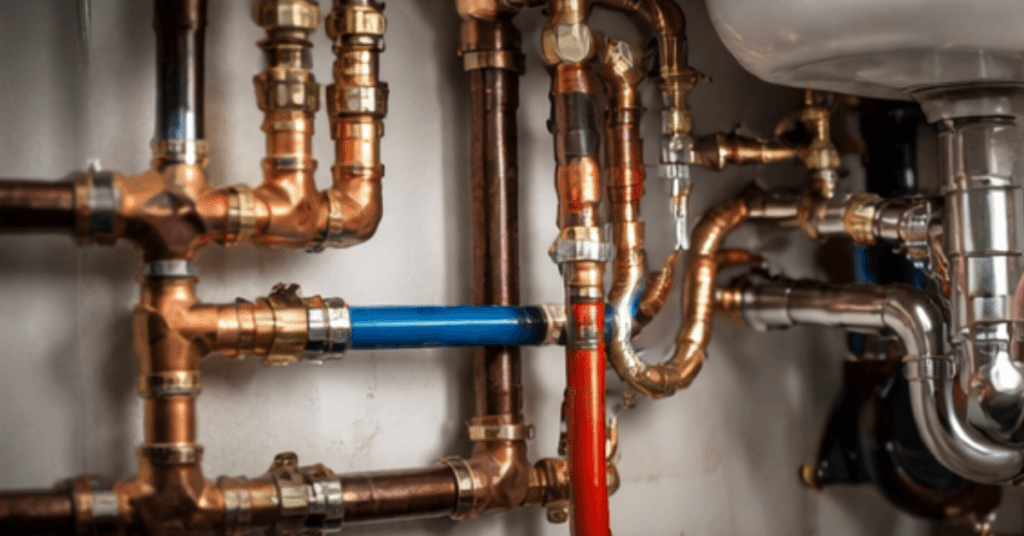
Winter in Central Oregon is beautiful, but it also brings extreme temperatures that can challenge even the most well-maintained plumbing systems. As temperatures drop, homeowners often face preventable plumbing emergencies—many of which can lead to expensive repairs, water damage, and long-term structural issues. Understanding how winter conditions affect your plumbing and taking proactive steps can save you stress, time, and money.
This guide explores the most common winter plumbing emergencies, how to avoid them, and why partnering with reliable experts like Einstein Pros ensures your plumbing system remains protected all season long.
1. Frozen Pipes
Frozen pipes are the most common and destructive winter plumbing emergency. When water inside pipes freezes, it expands, creating immense pressure. This pressure can cause pipes to crack or burst—leading to major flooding once the ice thaws.
According to the American Red Cross, frozen pipes are most likely when temperatures stay below 20°F.
How to Avoid It
- Insulate exposed pipes in basements, attics, crawl spaces, garages, and exterior walls.
- Let faucets drip during extreme cold to maintain water flow.
- Keep cabinet doors open under sinks to allow warm air circulation.
- Never set your thermostat lower than 55°F, even when away.
The EPA WaterSense Winter Maintenance Guide also recommends routine leak and insulation checks to prevent freeze-related failures.
2. Burst Pipes
Frozen pipes often lead to burst pipes, which can release dozens of gallons of water in minutes. Burst pipes are not only disruptive but can cause drywall damage, flooring destruction, and mold growth if not addressed quickly.
The Insurance Institute for Business & Home Safety reports that burst pipes are one of the most common and costly winter home insurance claims.
How to Avoid It
- Install pipe insulation sleeves or heat tape on vulnerable lines.
- Seal gaps around foundations, windows, and doors to keep cold air out.
- Insulate outdoor hose bibs and disconnect all hoses before winter.
- Schedule annual plumbing inspections to identify weak or aging pipes.
If pipes burst, shutting off your home’s main water supply immediately can minimize damage.
3. Water Heater Failure
Winter is the busiest season for water heaters, as the unit works harder to heat colder incoming water. This added strain can cause older or poorly maintained systems to fail, resulting in no hot water, leaks, or even tank ruptures.
The U.S. Department of Energy recommends flushing your water heater annually to remove sediment buildup and extend its life.
How to Avoid It
- Flush the tank before winter to clear sediment.
- Check the temperature setting—120°F is recommended for safety and efficiency.
- Inspect for rust, leaks, or corrosion.
- Have your water heater professionally serviced yearly.
If your unit is over 10–12 years old, replacement may be more cost-effective than repair.
4. Clogged Drains
Winter holiday cooking, increased home occupancy, and cold weather all contribute to drain clogs. Grease, oils, starches, and food scraps solidify faster in colder pipes, increasing the risk of blockages.
The EPA warns against pouring fats, oils, and grease (FOG) down drains, as they congeal and cause severe clogs.
How to Avoid It
- Never dispose of grease or oil in the sink. Let it cool and throw it away.
- Use drain strainers to catch debris.
- Avoid chemical drain cleaners, which can damage pipes.
- Schedule routine drain cleaning before winter.
5. Sewer Line Backups
Heavy moisture, frozen ground, tree root intrusion, and aging sewer lines can cause backups during winter. Sewer backups are unpleasant, hazardous, and require immediate professional attention.
According to the Environmental Protection Agency, sewer backups typically result from blockages, line breaks, or inflow overloads.
How to Avoid It
- Have your sewer line inspected every 1–2 years.
- Avoid flushing anything except toilet paper.
- Remove large trees near sewer lines when possible.
- Install a backwater prevention valve.
6. Leaking Fixtures and Appliances
Cold weather can worsen worn washers, seals, and pipes within sinks, toilets, dishwashers, and washing machines. Leaks that seem small can escalate quickly in winter due to pressure changes in plumbing systems.
How to Avoid It
- Perform a winter plumbing check of all fixtures.
- Replace worn seals, hoses, and connections.
- Fix leaks promptly—even minor drips waste thousands of gallons annually. Source: EPA WaterSense
Protecting Your Home with Professional Help
While many preventive steps can be taken on your own, nothing replaces a professional winter plumbing inspection. Expert plumbers can identify vulnerable areas, recommend upgrades, and ensure your home is protected throughout the coldest months.
For trusted, experienced, and local plumbing service in Central Oregon, always rely on Einstein Pros. Their team understands the unique winter challenges of the region and offers reliable solutions to help homeowners prepare, prevent emergencies, and respond quickly when needed.